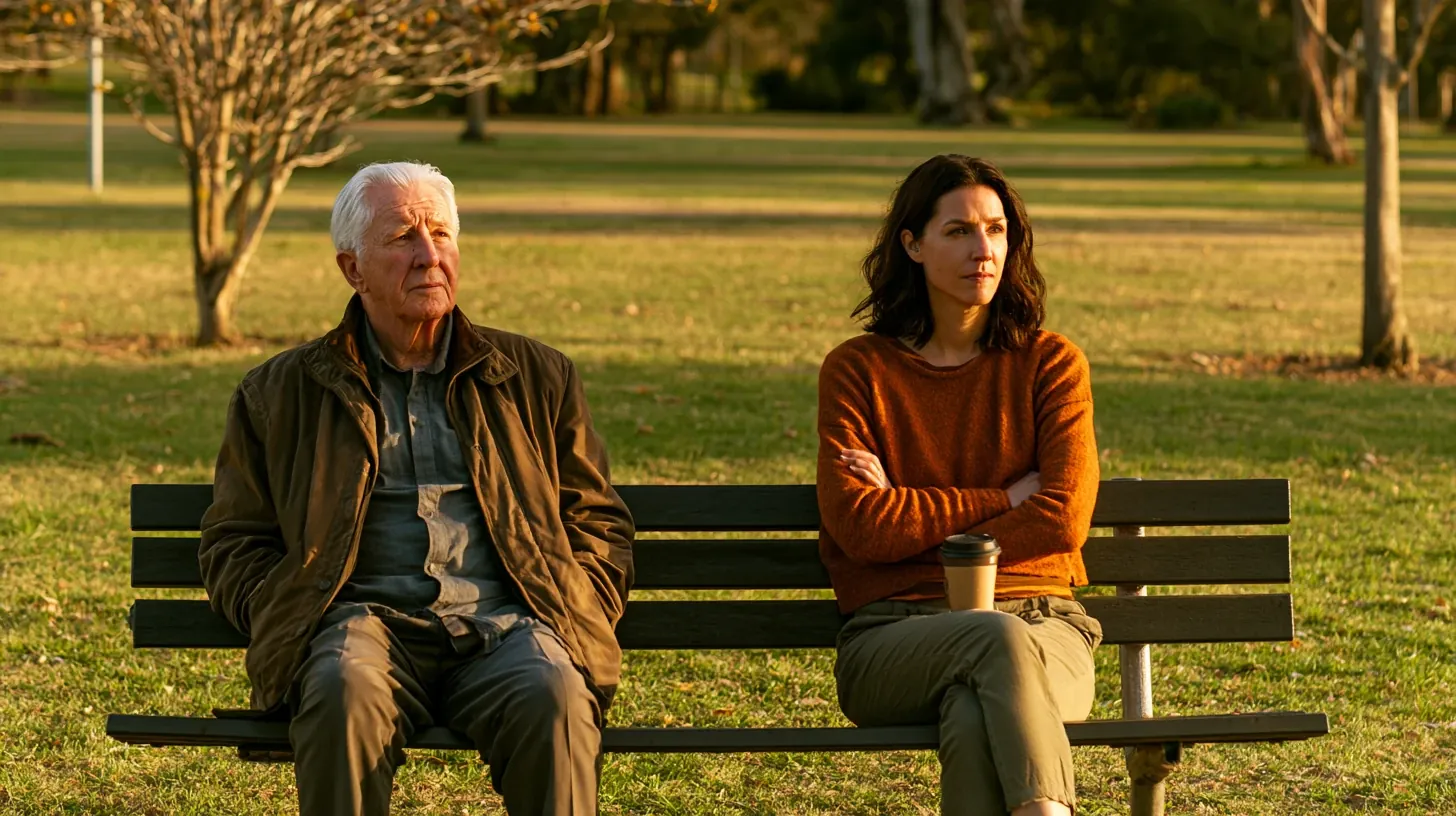
What If Mom or Dad Refuses to Consider Senior Living?
Having tough conversations about senior living? A "no" from your parent doesn't end the talk—it just changes how you approach their support.

Loading…
A senior living tour usually lasts about an hour.
Families arrive, someone greets them at the door, coffee is offered. The lobby looks warm. The dining room is pointed out. A resident waves from down the hall. By the end of the visit, families have seen the highlights — the activity calendar, the common areas, the outdoor courtyard, the sample menu.
And then they drive home and try to decide if their parent should live there.
In a previous article in this series, we explored the questions families often don't know to ask during a tour. Those questions open the right doors. But asking is only half of it. What you actually observe — before, during, and between the formal moments of a visit — often tells the more complete story.
Most first-time visitors leave a tour evaluating what they saw. Experienced families tend to leave evaluating something different. They've learned, often through trial and error, that the most meaningful information about a senior living community almost never appears in the formal tour.
It appears in the moments surrounding it.
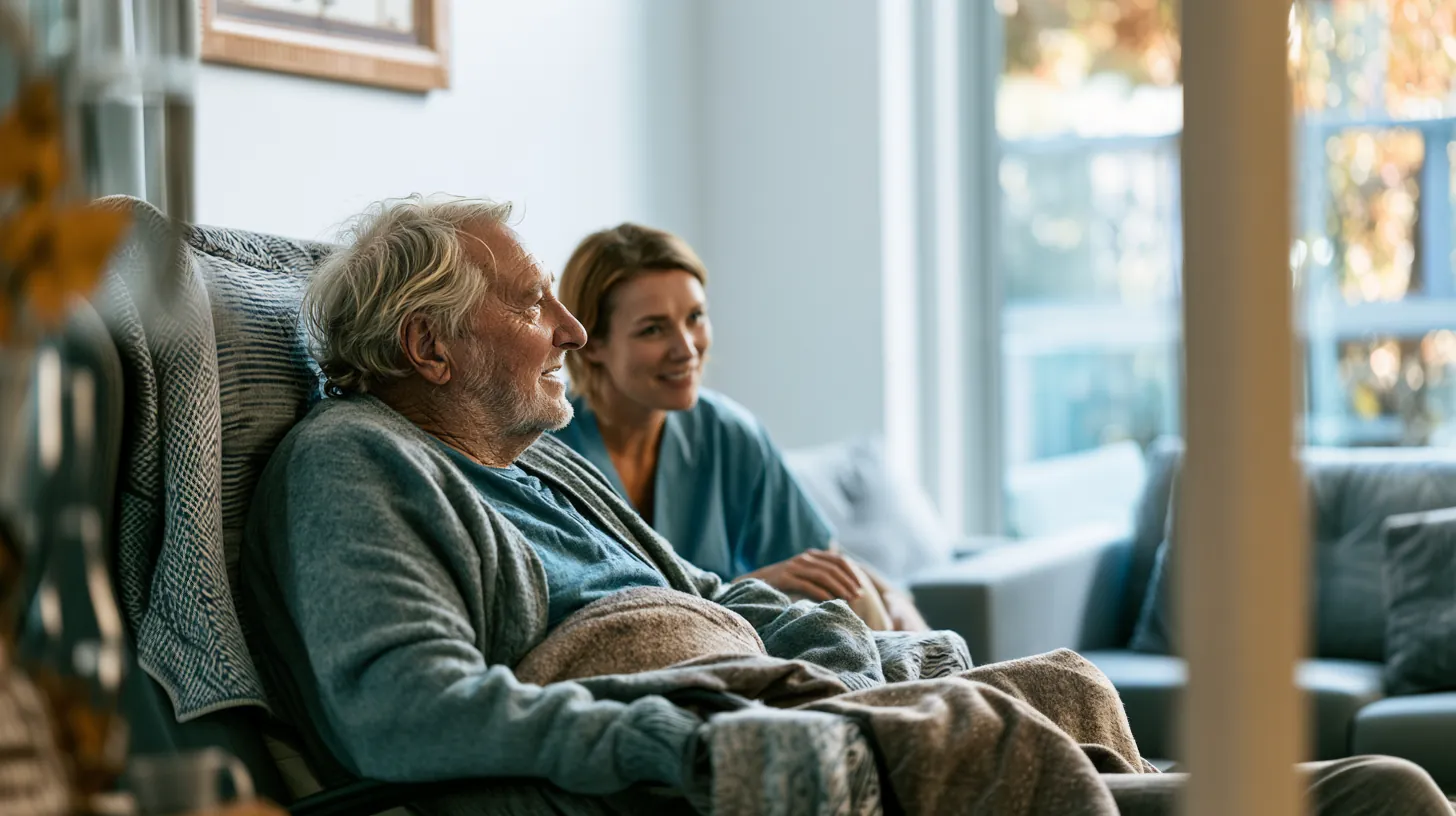
Here is something most families don't know going in: the person leading the tour is almost always a marketing representative, not a caregiver.
That's not a criticism — it's simply how senior living operates. Marketing staff are often warm, knowledgeable, and genuinely helpful. But their job is to present the community at its best. The route through the building, the timing of the visit, the spaces that get highlighted and the ones that don't — all of it is curated, much like an open house.
Experienced families use the tour for what it is — a useful introduction — and spend the rest of the visit looking for the things the tour wasn't designed to show them.
Marketing describes the building.
Daily life is defined by patterns.
Those patterns reveal themselves not in the lobby during a scheduled visit, but in quiet corners, in-between moments, and the interactions that happen when nobody seems to be watching.
Experienced families often start paying attention before the tour even begins.
The way a community communicates in advance — how quickly they respond to an inquiry, whether they remembered details from earlier conversations, and how organized the visit feels when you arrive — frequently predicts how they'll communicate once a loved one is living there. Families who've been through this often say that the quality of ongoing communication becomes one of the most important factors in how supported they feel over time.
A community that loses track of scheduling details before a tour has already told you something about how it operates. It may not be disqualifying. But it's worth noting.
The single most revealing thing you can observe during a senior living tour isn't the building. It's the residents.
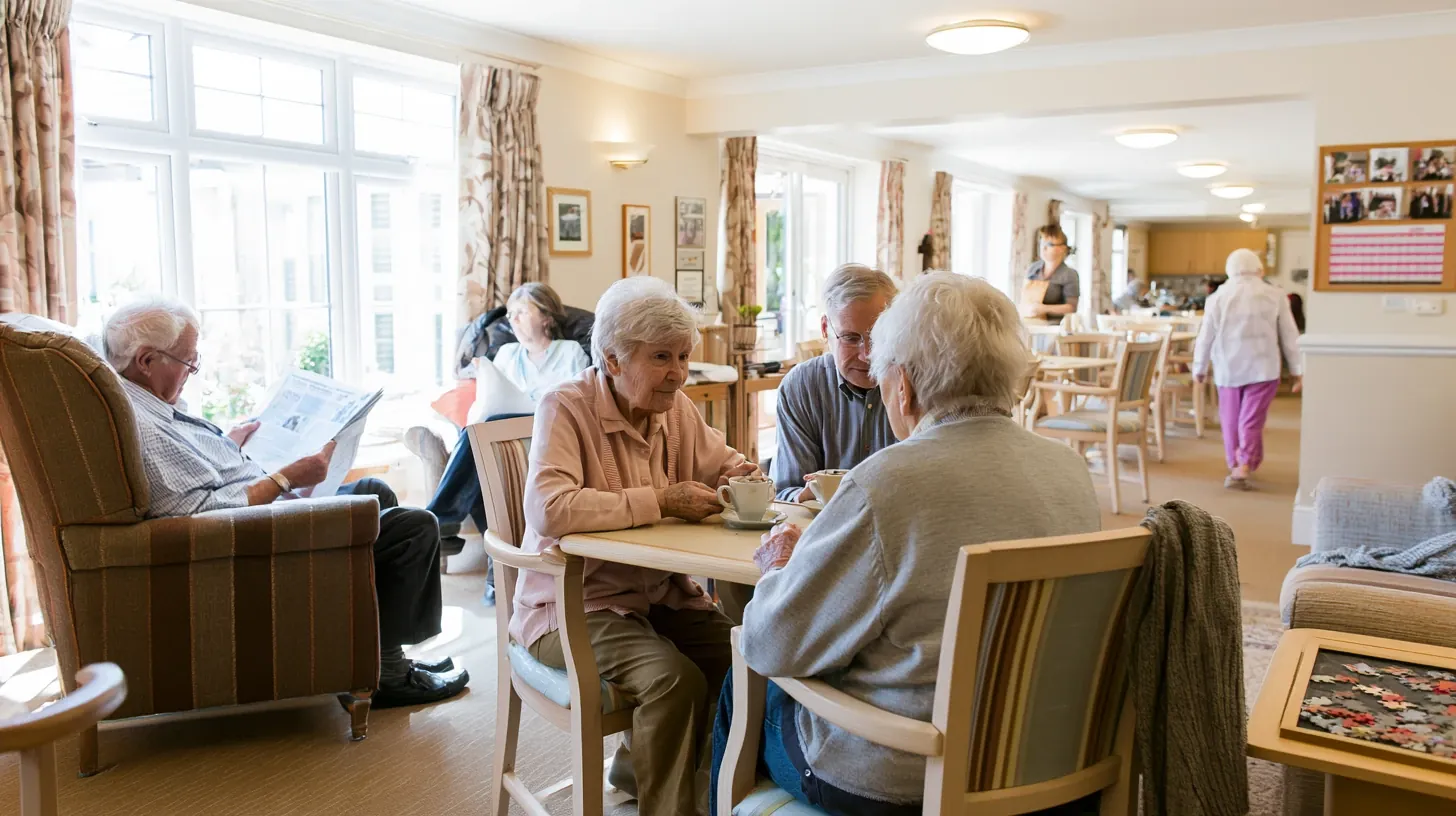
Are people talking to each other, or sitting alone? Do they appear settled and comfortable, or restless and disoriented? Do staff members greet residents by name as they pass?
Research on aging consistently shows that isolation has significant effects on both cognitive and physical health. A community where residents are genuinely connected — to each other, to staff, and to the rhythms of daily life — isn't just a nicer place to live. It's often a healthier one.
Experienced families also watch for something subtler: resident autonomy in small, everyday choices. Who chooses where to sit at meals? Can residents opt out of an activity without pressure? Is there evidence that rooms have been personalized? When a resident declines something, how does staff respond?
These small signals, easy to overlook during a formal tour, often tell you more about how a community actually treats people than any policy statement about person-centered care.
The most honest story usually comes from the residents who aren't part of the tour at all. The person sitting near a window. The small group in the common room. The resident who quietly approaches a staff member with a request.
Those interactions, unrehearsed and unscripted, reveal what daily life genuinely feels like.

A beautifully designed building can be constructed in months. A staff culture takes years.
What experienced families tend to watch for isn't whether staff are pleasant during the tour — almost everyone is. They watch for what happens when no one seems to be paying attention.
Does a caregiver walking down the hall stop to acknowledge a resident, or walk past? Do staff seem to know residents as individuals — their names, their routines, their preferences — or do interactions feel efficient but impersonal?
One of the strongest operational signals experienced families have learned to ask about is staff tenure. Not staffing ratios — tenure. How long have caregivers worked there? How often has leadership changed? Does the community rely heavily on agency staff?
Stable leadership and long-tenured caregivers create consistency that families feel every day. A caregiver who has known your parent for two years brings something to that relationship that a rotating employee simply cannot.
The emotional state of staff is worth observing too. Burnout, fatigue, and genuine enthusiasm are subtle. You can't always explain what you're sensing, but communities where leadership takes care of their people often have a noticeably different energy than those where staff are stretched thin.
Most senior living tours are designed to show you the highlights. Experienced families pay equal attention to what happens in between.
Real life doesn't run on a schedule. It happens in the quiet hours between breakfast and the morning activity, in the long afternoon when the calendar is light, and on Sunday mornings before the week's programming begins.
Are residents engaged with one another, or sitting in front of televisions? Are staff visible and present in common areas, or clustered behind closed doors? What does the community sound like — conversation and laughter, or mostly silence interrupted by television noise?
Communities that feel alive when nothing is formally happening tend to have built something genuine. Communities that feel empty between activities are often running a program rather than building a life.
The difference usually isn't one dramatic moment. It's the cumulative impression of many small ones.
This is the observation most families never make because most families never visit after 4 p.m.
Nearly every scheduled tour takes place during weekday business hours, when staffing is strongest and the community is naturally at its most prepared.
But many of the moments that most affect residents — falls, confusion, sleepless nights, emergencies, and the need for reassurance — happen after hours.
Experienced families ask:
How many caregivers are on the floor at 2 a.m.?
Who responds when someone presses a call button at midnight?
What does Saturday afternoon actually look like?
The answers reveal whether a community thinks about care across the full twenty-four hours, or simply provides around-the-clock coverage on paper.
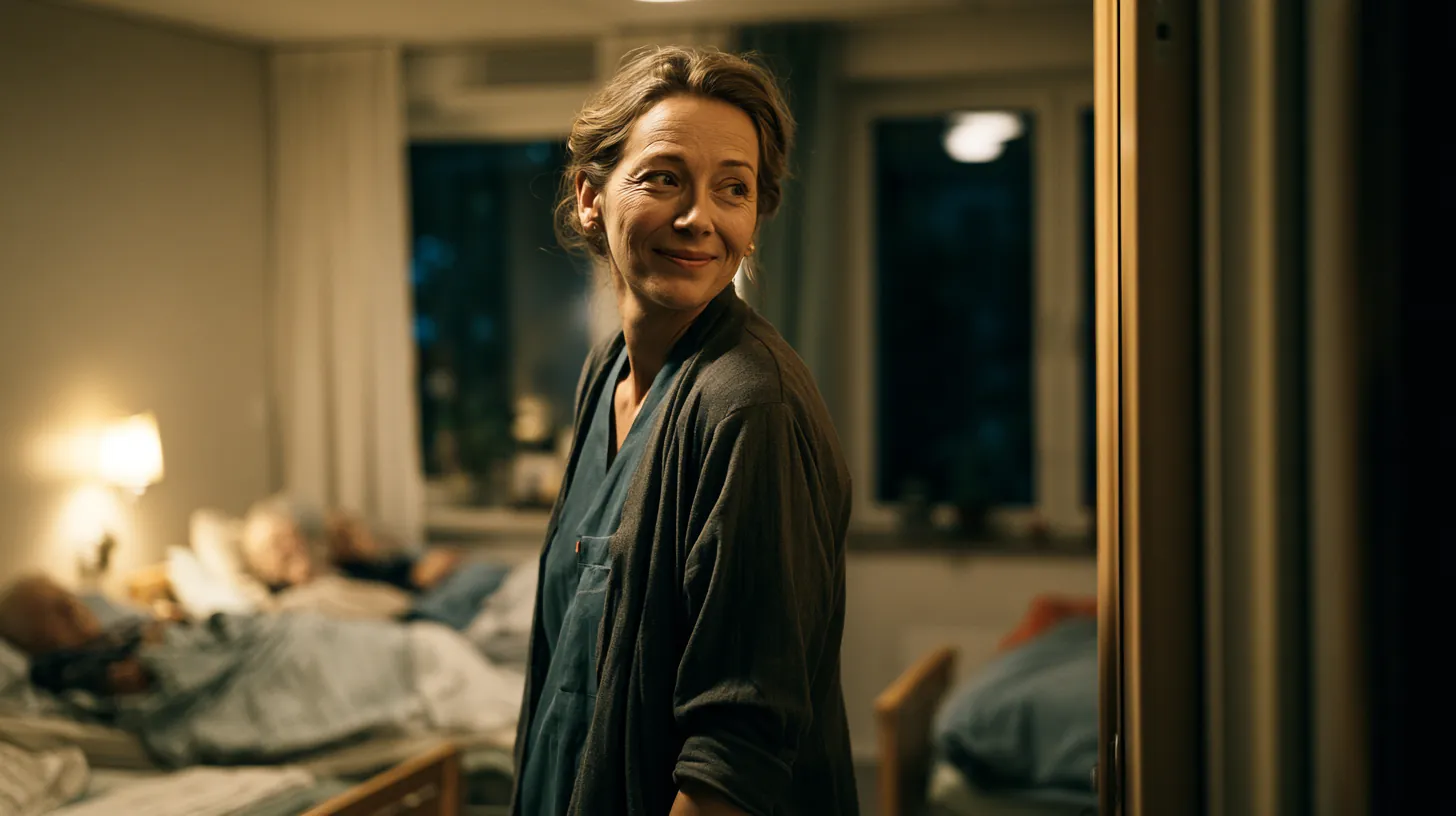
There is one question experienced families have learned to ask that almost never appears in a tour guide.
"Can you tell me about a recent challenging situation and how your team handled it?"
The answer reveals an enormous amount about a community's culture.
No senior living community is perfect. Residents fall. Health changes unexpectedly. Staff make mistakes.
The important question isn't whether difficult things happen.
It's how a community responds when they do.
A director who answers honestly and thoughtfully demonstrates confidence, transparency, and a culture of continuous improvement.
A community that insists everything is always perfect is telling you something too.
Experienced families aren't looking for perfection.
They've usually come to understand that perfection isn't available — that every community has limitations, that care needs are complex, and that the right fit for one person may not be the right fit for another.
What they're looking for is honesty.
Consistency.
The feeling that daily life reflects genuine care rather than careful presentation.
Warm, stable cultures reveal themselves through small moments: the caregiver who knows a resident's name without looking at a chart, the resident who quietly chooses where to sit at lunch, the director who describes a difficult situation with candor rather than polish.
Those moments aren't part of the tour.
They're part of everyday life.
As you develop a clearer understanding of the different types of senior living communities — Assisted Living, Memory Care, Skilled Nursing, and others — these observations become even more meaningful because you'll better understand what each type of community is designed to provide.
You don't need to become an expert in senior living to make a good decision.
You simply need enough confidence to recognize the community that feels right for someone you love.
That confidence grows with every visit, every conversation, and every small moment you allow yourself to notice.
After touring several communities, many families discover that the details begin to blur together.
The Map of Care tools were designed to help organize those observations, capture the questions that arise during each visit, and make it easier to compare communities based on what you actually experienced rather than what happened to be easiest to remember.
It won't tell you which community to choose. No tool can do that.
But it can help ensure that when it's time to make one of life's most important decisions, you're working from thoughtful observations, organized information, and greater confidence.

Jeff Hix writes about senior living with one goal: helping families, providers, and healthcare professionals make better decisions through transparency, education, and practical guidance.
After helping his father build, launch, and market an Assisted Living and Memory Care community in Southern California, Jeff developed a unique perspective on both the emotional journey families experience and the day-to-day realities senior living providers face.
Today, as Co-Founder and Chief Revenue Officer of Map Of Care, he writes about the ideas, trends, and practical insights shaping the future of senior living.
Having tough conversations about senior living? A "no" from your parent doesn't end the talk—it just changes how you approach their support.
Tours blurring together? Skip the sales pitch and focus on what matters most: finding a senior living community that fits your parent’s life.