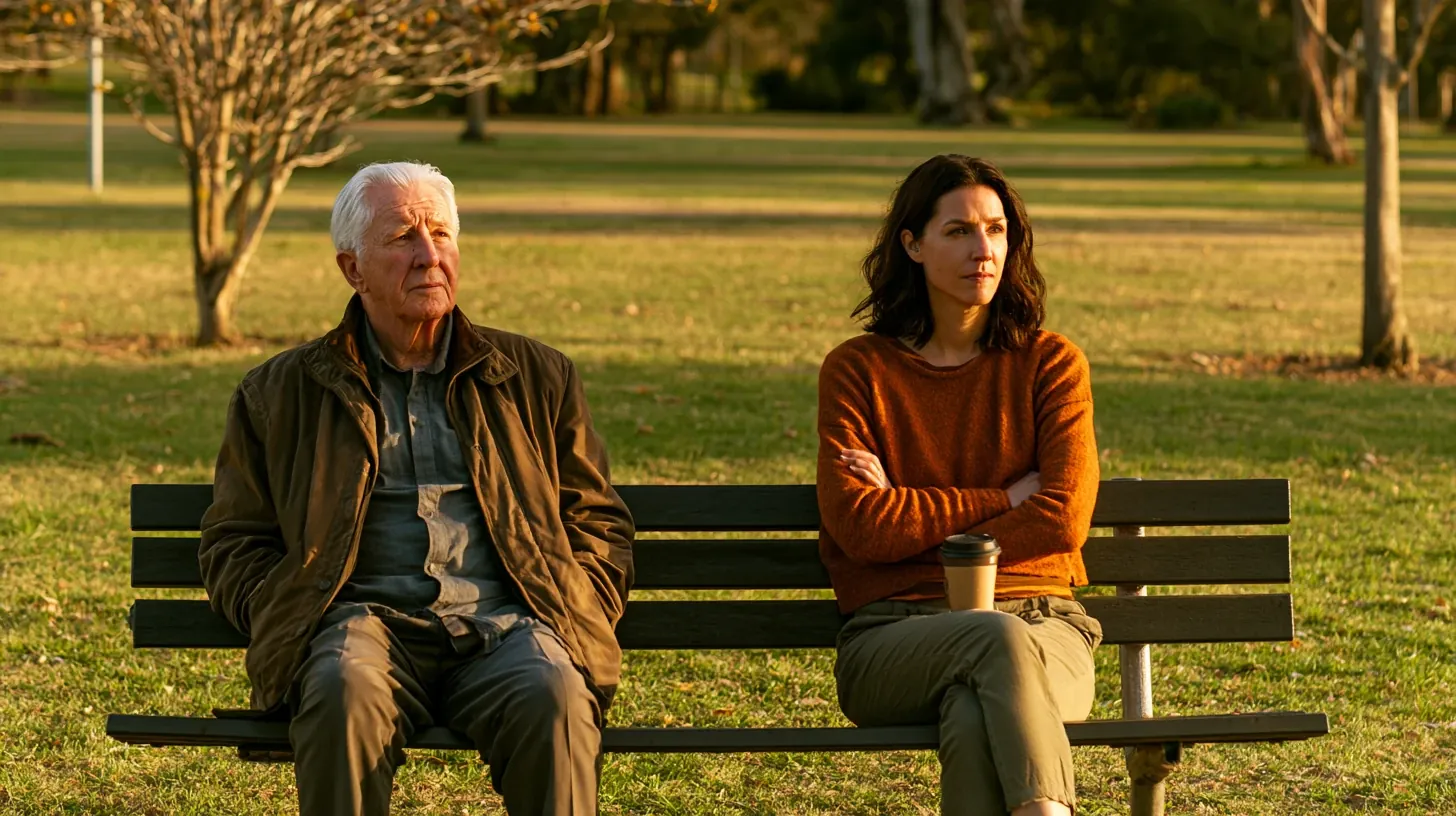
What If Mom or Dad Refuses to Consider Senior Living?
Having tough conversations about senior living? A "no" from your parent doesn't end the talk—it just changes how you approach their support.

Loading…
Choosing between two good communities isn't about finding the "best" one—it's about finding the one that's the best fit for your loved one.
"They all started to blend together."
That's one of the most common things families tell us after touring several senior living communities.
One community had beautiful gardens. Another had larger apartments. One served an impressive lunch. Another had an activity calendar packed with events. By the third or fourth tour, it becomes difficult to remember which community offered what—and even harder to feel confident about a decision this important.
If that sounds familiar, you're not alone. Psychologists have long observed that when we're asked to compare several similar, high-stakes options, our confidence often decreases instead of increases. It isn't a sign you're making the wrong decision—it's simply what happens when our brains are asked to process an overwhelming amount of information.
In our previous article, we explored why beginning the senior living conversation before a crisis preserves your family's choices. Once you've started planning, the next challenge is often knowing how to compare several good communities without feeling overwhelmed. That's exactly where many families find themselves—and where a simple framework can make all the difference.
The good news is that comparing senior living communities doesn't require evaluating every detail from every tour. It requires focusing on the handful of things that have the greatest impact on your loved one's everyday life.

Before comparing communities, take a step back and revisit why you're searching in the first place.
Ask yourself:
● What challenges are we trying to solve right now?
● What does my loved one value most—independence, social connection, quiet, routine, or something else?
● What would help them feel comfortable, engaged, and supported?
● What are they likely to need a year or two from now?
Every family's priorities are different. Defining yours before you start touring gives you a consistent lens through which to evaluate every community, rather than reacting to each new brochure or presentation.
If you remember only one thing from this article, let it be this:
Don't compare buildings.
Compare what everyday life will actually feel like.
Amenities are easy to compare.
Daily life isn't.
And daily life is what matters.
A beautiful lobby, elegant dining room, or impressive fitness center tells you very little about an ordinary Tuesday afternoon six months after move-in.
Instead, picture your loved one's daily routine.
Are residents actively participating in activities, or does the activity calendar look more impressive than the participation?
Are people talking with one another in common areas?
Do staff members greet residents by name?
Does the community feel relaxed and welcoming, or rushed and institutional?
One of the biggest surprises for families is that the community they remember most vividly after a tour isn't always the one they ultimately choose. Once the excitement of beautiful buildings and amenities fades, conversations often return to questions like:
"Did the staff seem genuinely happy?"
"Could I picture Mom living here every day?"
Those questions usually lead to better decisions than comparing dining menus or lobby furniture.
Interestingly, studies of senior living communities have found something families often sense instinctively: staff satisfaction is one of the strongest predictors of resident satisfaction. Communities where employees feel supported, respected, and engaged tend to create better experiences for residents as well.
Some studies have also found that smaller communities often receive higher resident satisfaction scores, but every community is different. The more important question isn't how large a community is—it's whether residents are known, supported, and treated as individuals.

Every tour has a rehearsed quality—and that's perfectly understandable. Every community wants to make a positive first impression.
The most valuable observations often happen between the scheduled moments.
Notice how staff members interact with one another, not just with you.
Watch what happens in the hallway you weren't guided toward.
Do caregivers seem patient and engaged, or hurried and distracted?
Does leadership know residents by name?
Are residents smiling, socializing, and moving comfortably through the community?
Culture is difficult to manufacture. Two communities with similar prices and comparable amenities can feel completely different once you begin paying attention to how people naturally interact.
How a community communicates during the tour is often a preview of how it will communicate after move-in.
Did staff answer difficult questions directly?
Were they transparent about pricing, care levels, and future costs?
Did they explain how care needs are reassessed over time?
Did you leave feeling informed—or simply reassured?
Families often remember how a community made them feel long after they've forgotten the floor plan. Honest, straightforward communication during the decision process usually reflects a culture built on trust rather than salesmanship.
If you're seriously considering a community, one visit usually isn't enough.
Organizations like AARP recommend visiting communities more than once—including at least one visit during an evening or weekend when nothing has been specially arranged. Seeing a community during its normal routine often provides a much clearer picture than any formal tour.
If Memory Care is part of your search, the Alzheimer's Association also recommends paying close attention to dementia-specific staff training and how the environment supports residents living with cognitive decline. Details like lighting, noise levels, intuitive layouts, and clear wayfinding can have a significant impact on daily quality of life.
The physical design of a community quietly shapes everyday living. Spaces that naturally encourage residents to gather, comfortable outdoor areas, intuitive walking paths, and thoughtfully designed common spaces can all support independence, safety, and social connection. These are details many families overlook during a first visit—but they're often the kinds of features residents appreciate every day.

Choosing a senior living community isn't only about today's needs.
It's about tomorrow's as well.
Moves made during a crisis—after a hospitalization, a fall, or a sudden change in health—often leave families with fewer options and less time to make thoughtful decisions.
Ask questions like:
● Can additional care be added if needs increase?
● Can my loved one remain here if their health changes?
● How does the community help families navigate those transitions?
A community that can adapt alongside your loved one may ultimately provide greater peace of mind than one that simply looks more impressive today.
After each tour, spend five minutes writing down your impressions while they're still fresh.
Focus on the things that matter most:
● Staff warmth and consistency
● Resident engagement during everyday activities
● Communication and transparency
● Community culture
● Future care options
● Your overall comfort level
Dining, apartment size, and amenities certainly matter—but they're rarely what separates a community where someone simply lives from one where they truly thrive.
Families often told us they could remember how each community made them feel—but struggled to remember the details that mattered when it came time to compare them. That's one of the reasons we created the free planning resources in Map of Care's Tools section. A structured comparison worksheet can turn scattered notes into an organized side-by-side comparison that's much easier to review and discuss with family members.
Facts matter.
So do instincts.
After gathering information, asking thoughtful questions, and comparing communities based on what truly matters, give yourself permission to trust how each place felt.
Many families later say they knew they had found the right community not because of one dramatic moment, but because dozens of small observations all pointed in the same direction.
The staff seemed genuinely happy.
Residents looked engaged.
The conversations felt honest.
They could simply picture their loved one there.
There's rarely a single "perfect" senior living community.
There is usually one that's the best fit for your loved one's personality, needs, and likely future.
A confident decision doesn't come from finding a place with no shortcomings. It comes from understanding what matters most, asking thoughtful questions, and giving yourself a consistent way to compare what you see.
Map Of Care was created to make those decisions easier through practical education, transparent community information, and thoughtfully designed tools that help families compare their options with confidence. Whether you're just beginning your search or narrowing your final choices, our goal is to help you make an informed decision that's right for your loved one—not simply the one that looks best on paper.
If you're still in the early stages of your search, we also recommend reading Why Waiting Too Long Can Limit Your Senior Living Options, which explores how planning ahead gives families more time, more choices, and greater confidence when important decisions need to be made.

Jeff Hix writes about senior living with one goal: helping families, providers, and healthcare professionals make better decisions through transparency, education, and practical guidance.
After helping his father build, launch, and market an Assisted Living and Memory Care community in Southern California, Jeff developed a unique perspective on both the emotional journey families experience and the day-to-day realities senior living providers face.
Today, as Co-Founder and Chief Revenue Officer of Map Of Care, he writes about the ideas, trends, and practical insights shaping the future of senior living.
Having tough conversations about senior living? A "no" from your parent doesn't end the talk—it just changes how you approach their support.
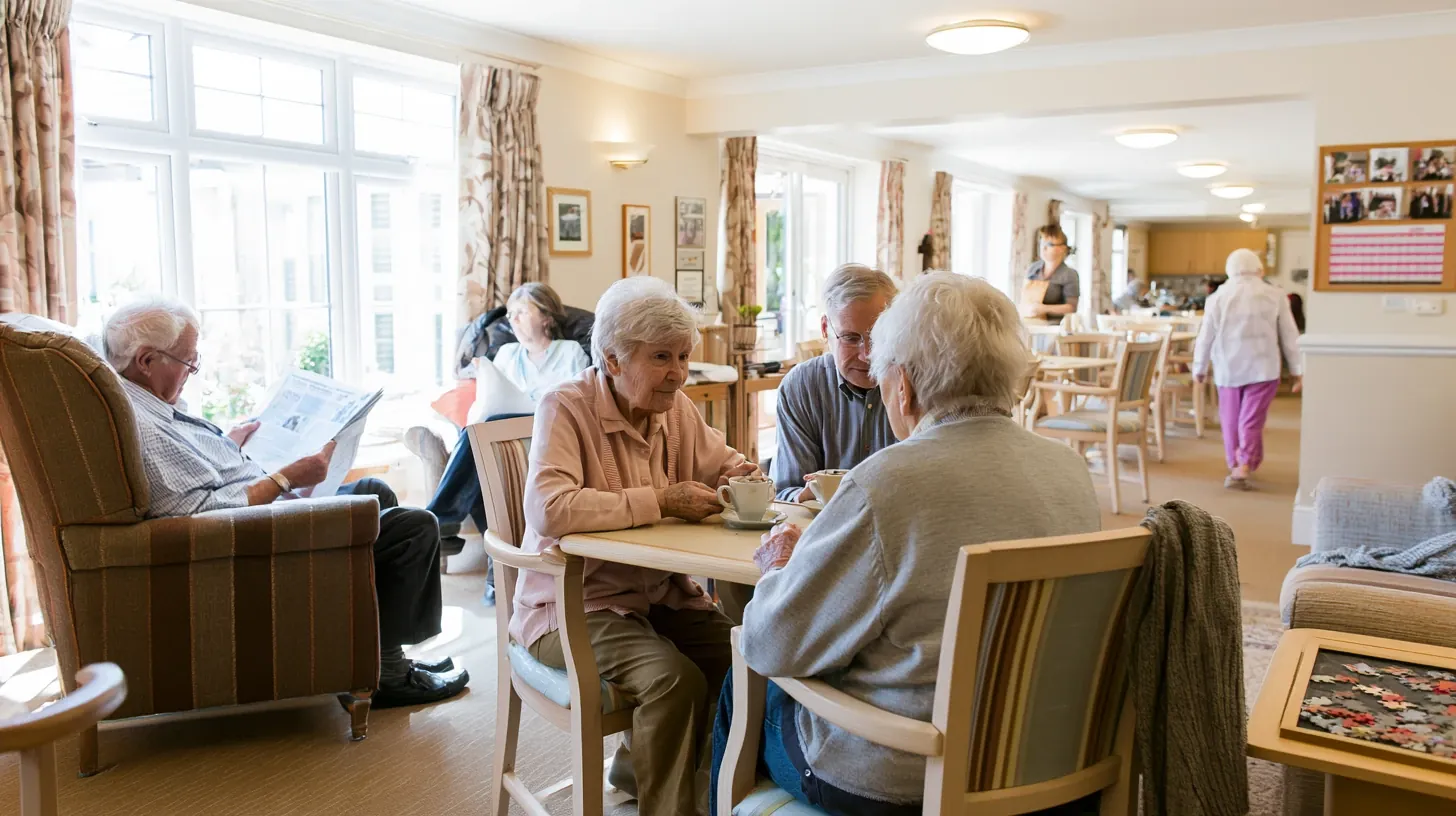
Tours blurring together? Skip the sales pitch and focus on what matters most: finding a senior living community that fits your parent’s life.