
Why Is Senior Living Pricing So Hard to Understand?
Two assisted living quotes rarely include the same care. Learn how pricing models differ and what questions to ask for an apples-to-apples comparison.

Loading…
It usually starts late at night, after the dishes are done. A daughter opens her laptop and types "assisted living near Mom" into a search bar.
Within a few minutes, she has a list. Five or six communities with sunlit dining rooms, smiling residents in the photos, activity calendars, and dozens of reviews. She bookmarks three and closes the laptop feeling, for the first time in weeks, like she has a handle on this.
It's a reasonable assumption: this is what's out there.
But a few streets from her mother's house, there may be a licensed residential care home with six residents and a small team of caregivers who know each of them by their morning routines. Maybe most of its new residents come through word of mouth.
We don't know whether that home would be better or worse for her mother. The more basic question is whether she knows it exists.

Across the country, smaller residential care settings go by different names. In Washington, they're often called adult family homes. In Michigan, adult foster care homes. Florida uses Assisted Living facilities, while Arizona distinguishes smaller Assisted Living homes within its licensing system.
The names, licensing rules, and services vary. But the question for families is the same: are they seeing all the options worth considering?
California offers a particularly revealing example.
In California, Assisted Living is licensed as a Residential Care Facility for the Elderly, or RCFE. Many people know the smaller ones as "board and care" homes.
An analysis of California Department of Social Services licensing data on November 15, 2026, identified 8,419 licensed RCFEs. About 82% of them, roughly four out of five, were licensed for six or fewer residents.
But those small homes accounted for only about 23% of the state's licensed beds. Meanwhile, facilities licensed for 50 or more residents represented approximately 11% of RCFEs but accounted for nearly 70% of licensed capacity.
Count front doors, and most belong to small homes. Count beds, and most are in larger communities.
Those numbers don't tell us how often small homes appear in online searches. But they reveal how much of the senior living landscape a family might overlook if they consider only the communities that appear first.
The number of communities a family can find online isn't necessarily the number of communities available to them.
Even industry data reflects the emphasis on larger properties. NIC MAP, a widely used senior housing dataset, generally focuses on Assisted Living properties with at least 25 units.
What rises to the top of a search reflects many things: marketing budgets, web design, review volume, advertising, and referral networks.
None of those, by itself, establishes the quality of care.
That isn't a criticism of communities that market well. Many larger operators provide excellent care, and effective marketing helps families understand their services.
But smaller homes may have fewer resources devoted to marketing. When an owner is also managing staffing, resident needs, and daily operations, maintaining a sophisticated online presence may not be the highest priority.
Referral services can be helpful, and their networks vary. Some work with smaller homes, while others primarily represent communities that pay referral fees. It's reasonable to ask how a referral service is compensated and whether its recommendations include providers outside its network.
Online reviews deserve perspective, too.
They can reveal how families feel about communication, responsiveness, and the atmosphere of a community. But a limited review history doesn't necessarily indicate poor care, just as a five-star rating doesn't guarantee excellent care.
And five stars won't tell you who's on shift at 3 a.m.
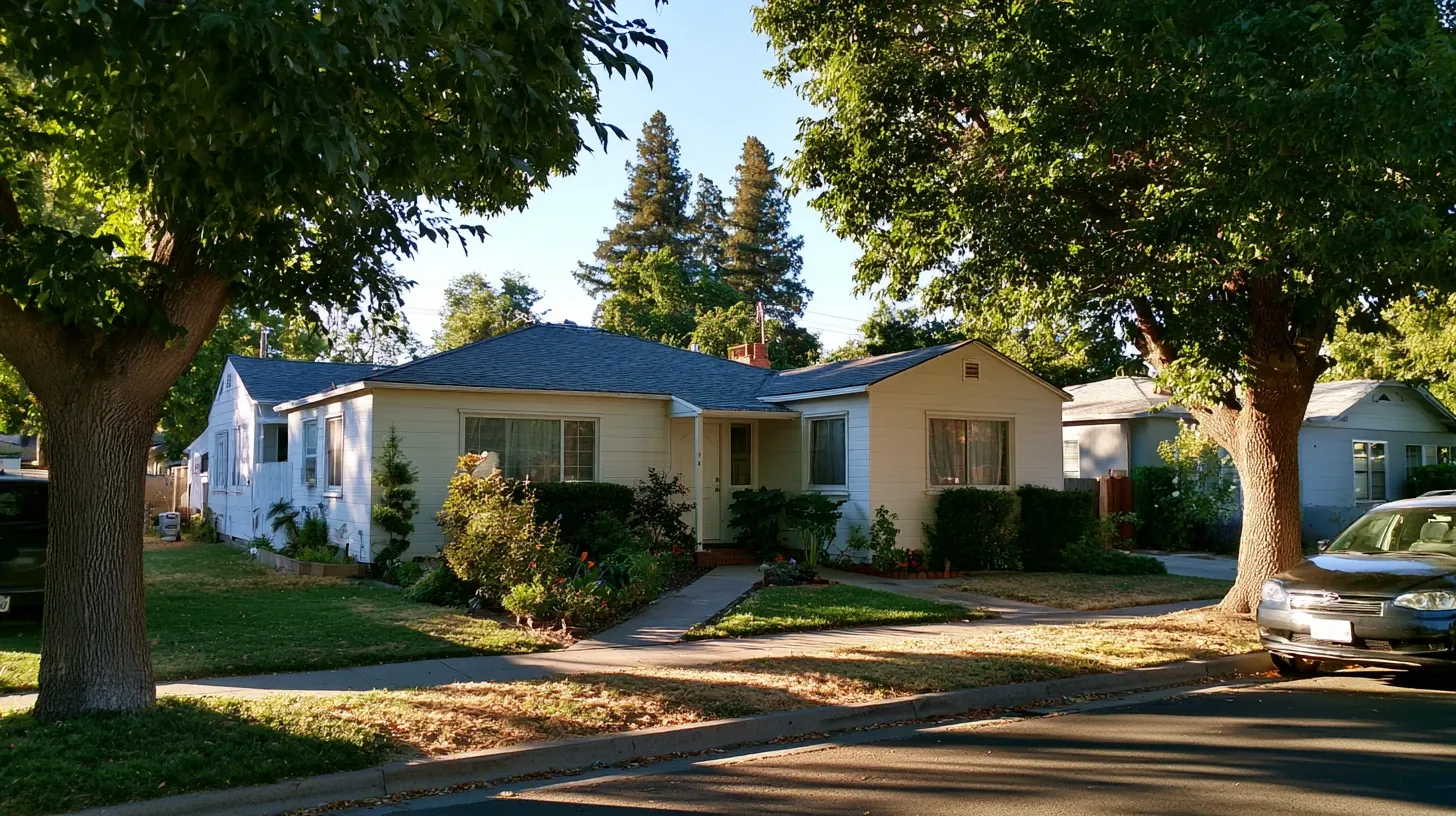
A small residential care home can feel like a house because it usually is one.
There may be a familiar group of caregivers, fewer residents, and a quieter daily routine. For someone who finds large environments overwhelming, that atmosphere may be appealing.
Larger communities offer different advantages. They may have more activities, transportation options, amenities, specialized services, and staffing flexibility. Some provide multiple levels of care within one campus.
For someone who enjoys meeting new people, participating in activities, or having a wider range of daily choices, a larger community may be a better fit.
Research doesn't establish that either model is universally superior.
Federal research on residential care communities shows that smaller settings often serve different populations, including higher proportions of residents living with dementia or needing assistance with daily activities.
Those differences make direct comparisons difficult. A community's size tells you something about its environment, but much less about whether it's right for a particular person.
Smaller homes also aren't necessarily less expensive or better staffed. Both depend on the individual provider, the services offered, and the resident's needs.
The overnight question
If you ask only one staffing question, make it this:
Who is actually awake and available overnight?
California's staffing regulations illustrate why this matters.
Smaller RCFEs are generally required to have a qualified person available on the premises overnight, but that person isn't necessarily required to remain awake. Larger facilities face different overnight staffing requirements.
Those are regulatory minimums, not a complete picture of how a particular community operates.
A smaller home may have awake staff throughout the night. A larger community may have multiple caregivers available. What matters is understanding the actual arrangement and whether it meets your parent's needs.
For someone who needs assistance getting to the bathroom, has a history of falls, or may wander at night, that's a much more useful question than simply asking how many residents live there.
And because staffing requirements vary by state, families should ask this question wherever they're searching.
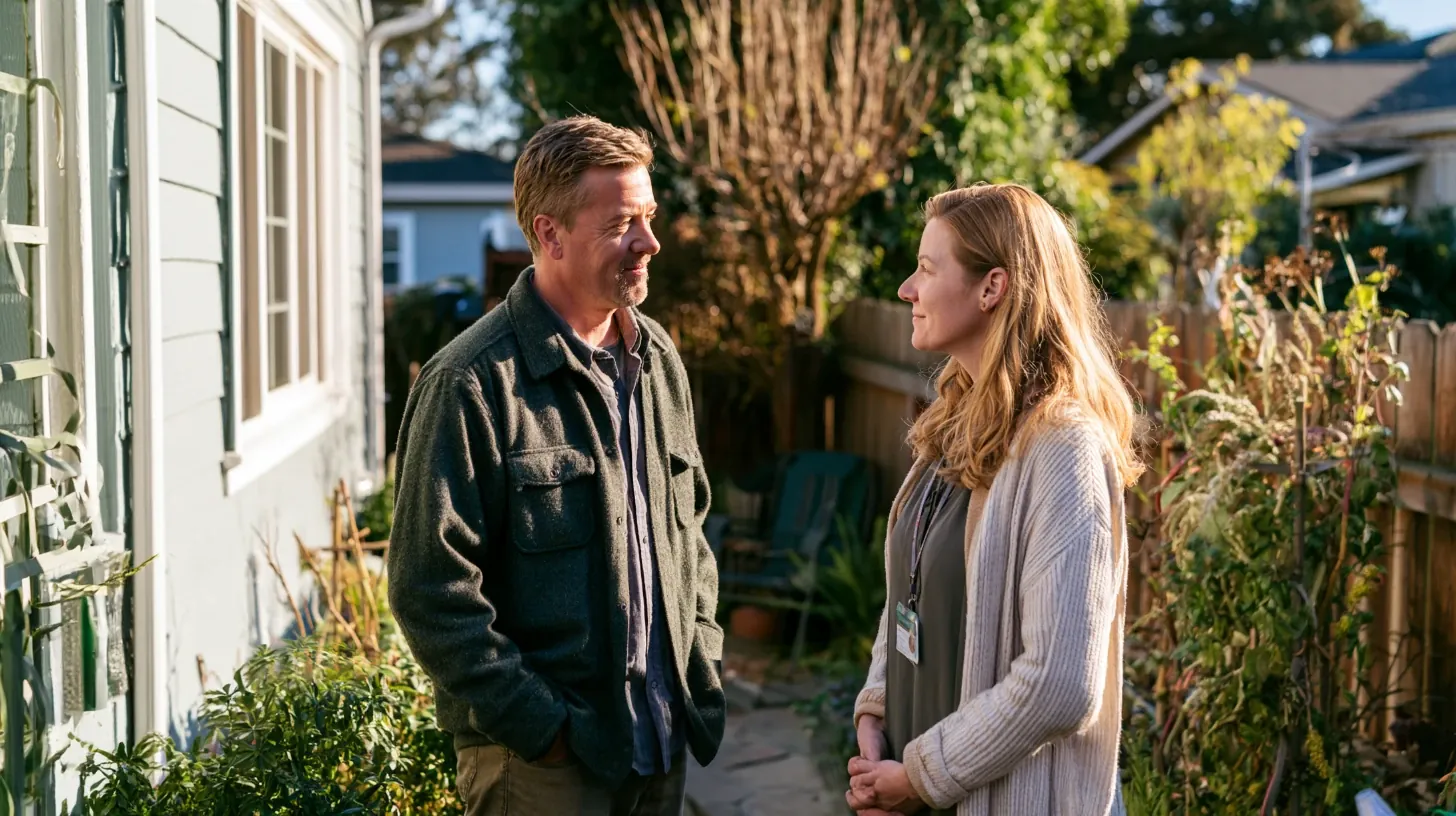
The first step isn't necessarily choosing a different community. It's making sure you're considering enough of them.
Start with your state's licensing agency.
In California, the official facility search allows families to look up licensed RCFEs, review available inspection and complaint reports, and learn more about a facility's licensed capacity.
Other states maintain their own licensing and inspection resources, although the information available varies.
Licensing records are useful, but they don't tell the whole story. An inspection report provides important information about compliance, not necessarily what daily life feels like for residents.
You can also talk with professionals familiar with local care options, including hospital discharge planners, Area Agencies on Aging, and Long-Term Care Ombudsman programs.
And when you're exploring senior living options, Map of Care helps families discover communities and connect directly with providers. Our free tools and resources can also help you understand care options, compare costs, and prepare for the decisions ahead.
Once you've broadened your list, ask the same questions at every community, large or small:
● "May I see your recent inspection and complaint reports, and will you walk me through any citations?"
● "Who is awake and available overnight, and how many residents are they responsible for?"
● "Which care needs can you accommodate, and what changes might require my parent to move?"
● "How long have your caregivers worked here, and will the same people care for my parent most days?"
● "What does a typical Tuesday look like for someone like my parent?"
● "What would the total monthly cost be for my parent's needs today, and what could cause that amount to change?"
You're comparing how well each place fits your parent, not how good its marketing is.
The daughter from the beginning doesn't need to be talked into choosing the small home down the street.
It might be right for her mother. Or she may tour it and realize her mother would be happier with the bustle and the bridge club at the larger community across town.
What matters is that she gets the chance to find out.
A family shouldn't have to know whether a community is called an RCFE, an adult family home, or an Assisted Living facility just to discover it. And a smaller provider shouldn't have to compete with the marketing budget of a national chain simply to be considered.
The best community for someone you love may not be the one with the most impressive website or the highest search ranking.
It may simply be one you haven't found yet.
Helpful Resources
● Resources for Residents and Families (California Department of Social Services) — Information for families considering licensed residential care, including how to request additional facility records.
● Eldercare Locator (U.S. Administration for Community Living) — A free national service that connects families with local aging resources, including Area Agencies on Aging. Also available at 1-800-677-1116.

Jeff Hix writes about senior living with one goal: helping families, providers, and healthcare professionals make better decisions through transparency, education, and practical guidance.
After helping his father build, launch, and market an Assisted Living and Memory Care community in Southern California, Jeff developed a unique perspective on both the emotional journey families experience and the day-to-day realities senior living providers face.
Today, as Co-Founder and Chief Revenue Officer of Map Of Care, he writes about the ideas, trends, and practical insights shaping the future of senior living.
Two assisted living quotes rarely include the same care. Learn how pricing models differ and what questions to ask for an apples-to-apples comparison.

Thanksgiving with dementia can be overwhelming. Discover practical ways to adapt routines, embrace memories, and make the holiday work for everyone.

When the hospital says it’s time for discharge but home isn’t ready, you don't need a forever plan—just a safe next step. Here's how to navigate it.