
When the Hospital Says It's Time to Go Home — But Home Isn't Ready
When the hospital says it’s time for discharge but home isn’t ready, you don't need a forever plan—just a safe next step. Here's how to navigate it.

Loading…
Thanksgiving has a way of sneaking up on you. One moment it is barely October, and the next someone is asking you to bring a side dish and a debate has broken out over how the turkey should be cooked. It is a wonderful holiday, and for many families it is the one day of the year when everyone genuinely tries to sit down at the same table. But it is also a long, loud, unpredictable day. For older adults living with dementia, that combination can be a lot to handle, and for the relatives caring for them, it can feel like an impossible balancing act between celebrating and protecting.
I have written before about how much routine matters as we age. Thanksgiving is, by design, a break in routine. The meal happens at a different time, the house is fuller than usual, and there are people, smells, and sounds that are not part of the normal week. For someone with dementia, this is exactly the kind of change that can cause confusion or agitation. And yet I would not dream of suggesting that families skip the holiday. The answer is not to avoid Thanksgiving but to shape it around the person you love.
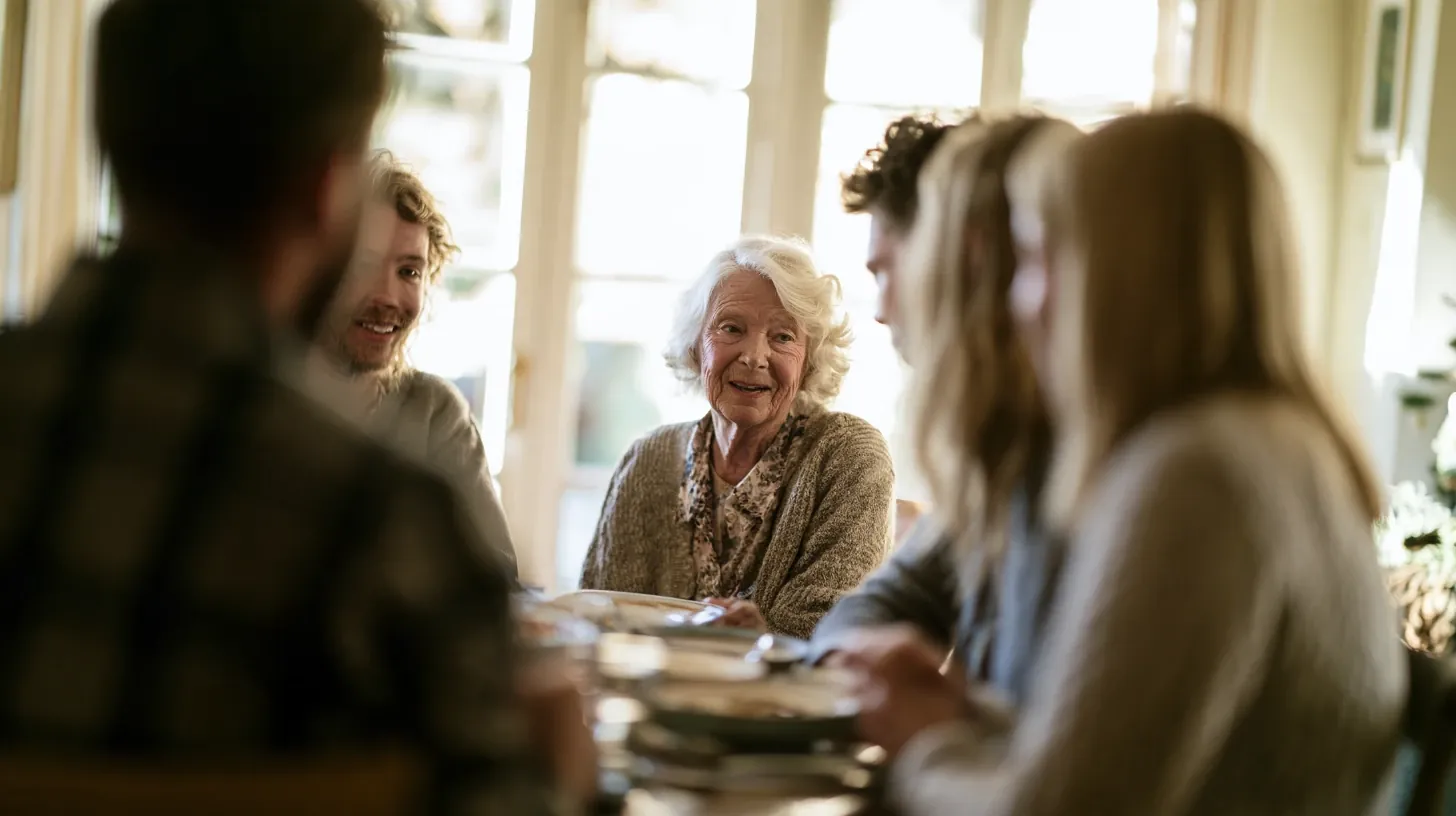
Strangely, Thanksgiving may actually play to the strengths of a person with dementia. Recent memories fade first, but long-term memories (especially those associated with strong emotions) often remain vivid for much longer. Thanksgiving is a holiday built almost entirely out of long-term memory: recipes, songs, family stories, the same jokes that get told every year. A person who cannot recall what they had for breakfast may happily spend twenty minutes describing how they celebrated the holiday as a child. That allows older adults to join the holiday conversations, and it gives the rest of the family a reason to listen.
For older adults living at home with family and grandchildren, a little planning goes a long way. Keep the day as close to the normal routine as you can. If your loved one usually has lunch at noon, consider an early afternoon meal rather than a late evening one, especially if they experience restlessness or agitation in the late afternoon and evening. Keep the guest list manageable, or at least stagger arrivals so that the house does not suddenly fill with too many people at once. Give your loved one a quiet corner they can retreat to, and make sure someone checks on them there. Also, do not underestimate the value of a job. Setting the table, folding napkins, arranging a centerpiece, or helping in the kitchen gives a sense of purpose and keeps someone connected to the activity rather than watching it from the sidelines.
Food deserves its own paragraph! Keep familiar dishes on the table, and keep portions modest, as a huge plate can be overwhelming. If your loved one has swallowing difficulties, which are common in later-stage dementia, be careful with dry turkey, crusty bread, and nuts, and consider softer options. Alcohol interacts with many medications and can increase confusion, so it is worth discussing it with your loved one's doctor before the day arrives. Depending on what the doctor advises, you may want to limit your loved one to a small glass with the meal, or skip it altogether. And if your loved one insists on a second helping of pie, well, it is Thanksgiving.
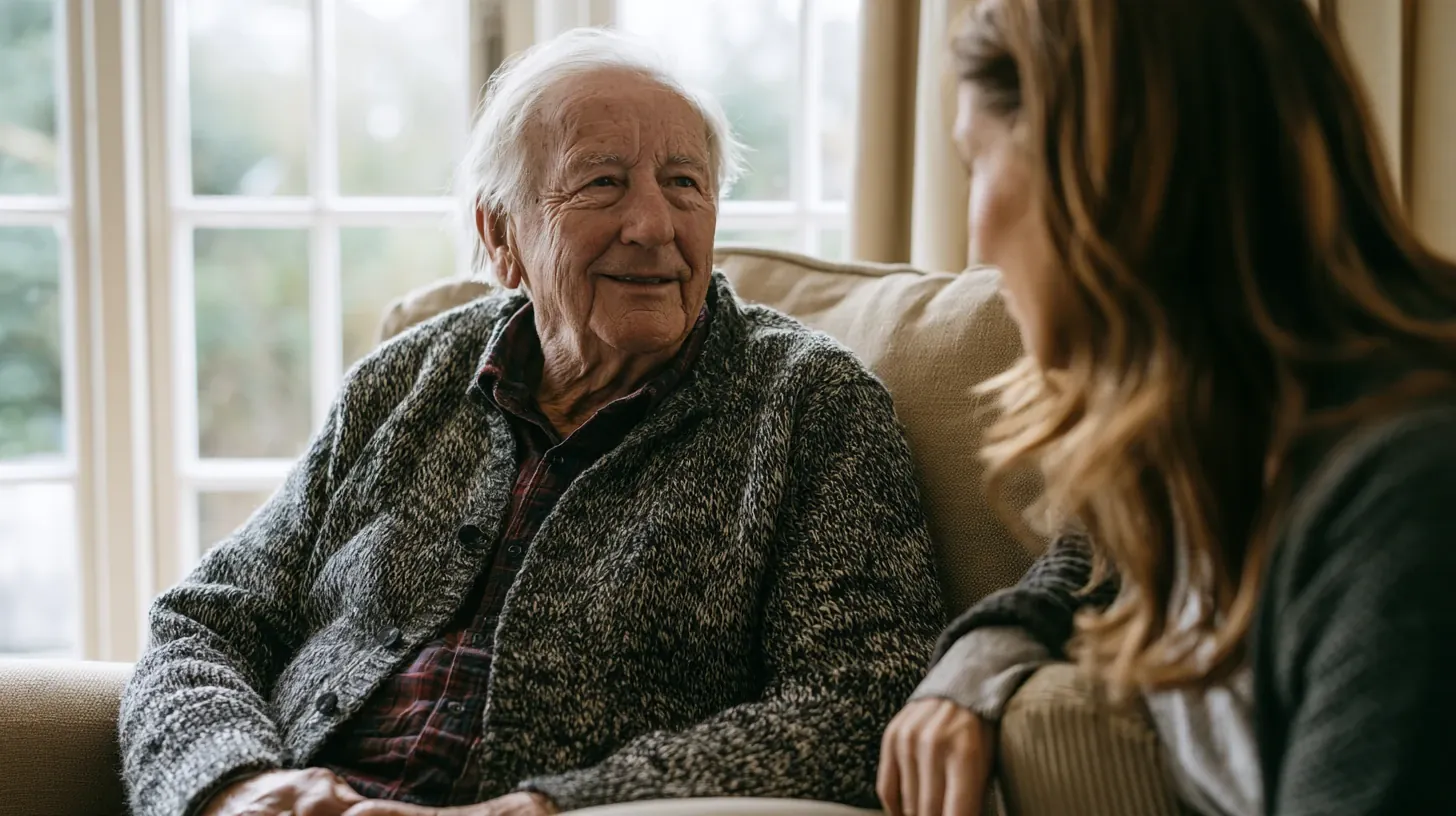
For older adults living in Assisted Living or Nursing Home facilities, the holiday works differently but the principles are the same. Check the facility's schedule and policies well in advance, since some allow residents to go out with family, some host their own Thanksgiving meal, and some have rules about bringing food in. Short visits often work better than long ones, and a small, quiet gathering in a resident's room or a family lounge can be more enjoyable than a crowded dining hall. If you are hosting at home and your loved one is joining you, keep the visit brief and have an exit plan that does not feel like a failure. And if you cannot visit at all, a scheduled video call during the parade or the football game can still make the day feel shared.
As you might have expected, I will put in a good word for technology here too. Digital photo frames that display new pictures of the grandchildren at the table keep residents connected to family life. A short video call where the grandkids show off the turkey they helped make can carry a whole afternoon. And for families spread across the country, a group chat with photos of everyone's plates is a small, easy way to include someone who cannot be in the room.
At this point, it is worth acknowledging something that families often feel but rarely say out loud: holidays can be sad. They bring up memories of people who are no longer there, and they highlight how much has changed. A loved one may ask repeatedly where a late spouse is, and correcting them every time can cause fresh grief. Many caregivers find it gentler to respond to the feeling rather than the fact. It is also worth being realistic about your own limits. A Thanksgiving that is slightly smaller, slightly earlier, and slightly quieter than the one in your memory is not a failure. It is a holiday that works.
As with everything in dementia care, adaptability matters more than perfection. Not every tradition has to survive, and not every tradition has to happen on the day itself. What matters is that your loved one feels included, comfortable, and safe. A slice of pie eaten in a quiet kitchen, a few minutes watching the parade together, a story told for the hundredth time and laughed at just the same. Those are the moments Thanksgiving is actually made of, and they are available to almost every family, whatever the circumstances.
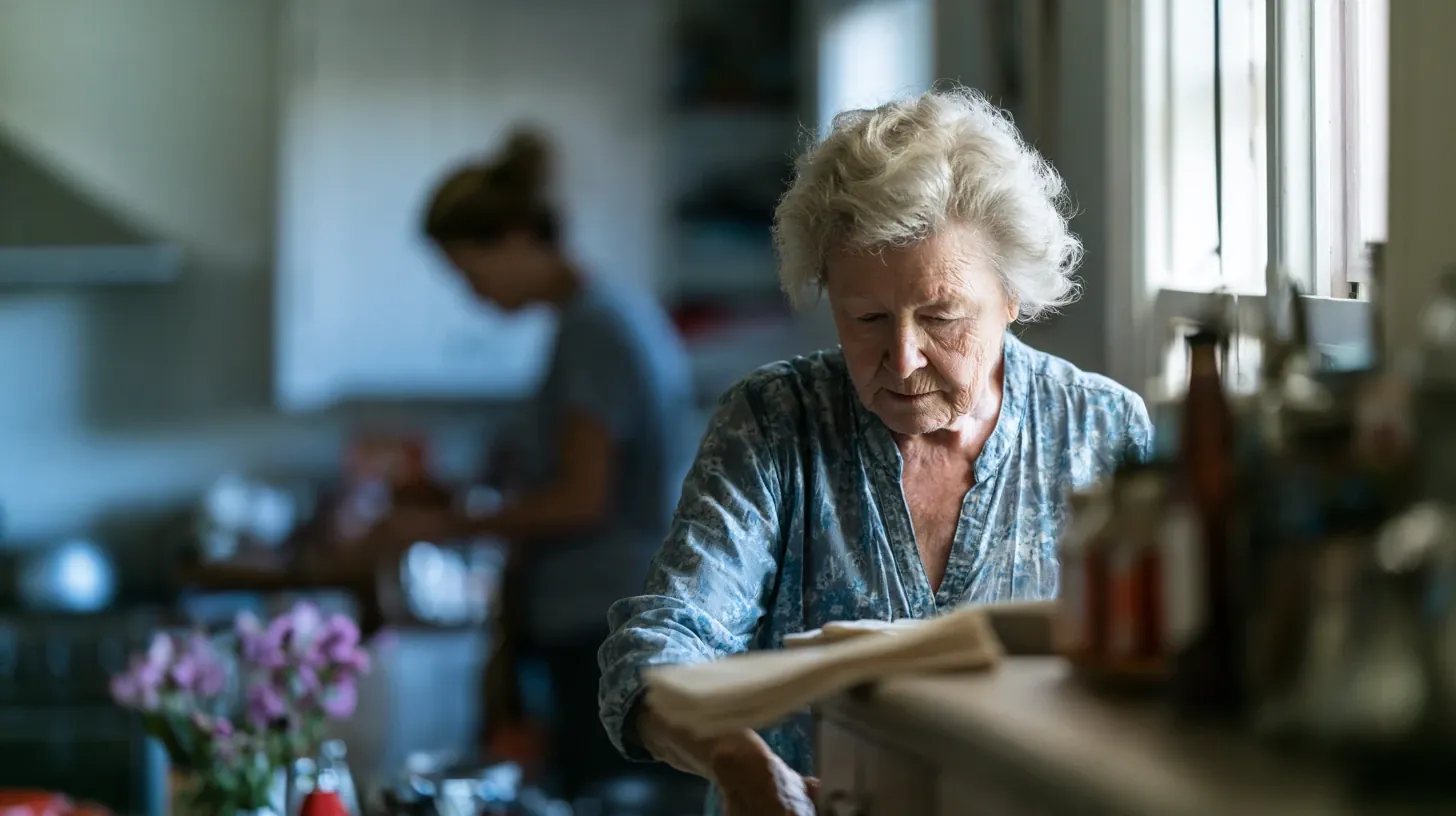
• As an older adult living with dementia or memory changes: Tell your family what parts of Thanksgiving matter most to you, and do not be shy about asking for a quiet space or an early meal if you need one. If you have a recipe, a story, or a tradition from years past, share it. Your family will treasure it far more than another dish on the table.
• As a relative: Plan the day around your loved one's routine and energy levels, not the other way around. Keep the meal at a familiar time, stagger arrivals, offer simple jobs, and watch for signs of overstimulation. Be careful with alcohol and with foods that are hard to swallow. And if the day needs to be shorter or smaller than usual, let it be.
• As an Assisted Living or Nursing Home owner/manager: Communicate your holiday policies and schedule to families early and clearly. Where possible, host a Thanksgiving meal that residents and relatives can share on site, and set aside quieter spaces for residents who find crowds difficult. For residents without visitors, consider organizing a small group activity, a video call station, or a "grandfriends" event with local schoolchildren to make sure nobody spends the day alone.

I am a Neuropsychologist specializing in cognitive aging, dementia and new technologies. My work focuses on computerized cognitive testing and the use of serious games for the detection of pre-clinical cognitive decline in older adults. I have worked extensively in adapting, creating and validating novel computerized tests that allow for easier, cheaper and more accessible dementia screening. I am a Senior Atlantic Fellow at the Global Brain Health Institute. I maintain ongoing collaboration with the University of California San Francisco Memory and Aging Center and the Heidelberg University Network Aging Research.
When the hospital says it’s time for discharge but home isn’t ready, you don't need a forever plan—just a safe next step. Here's how to navigate it.
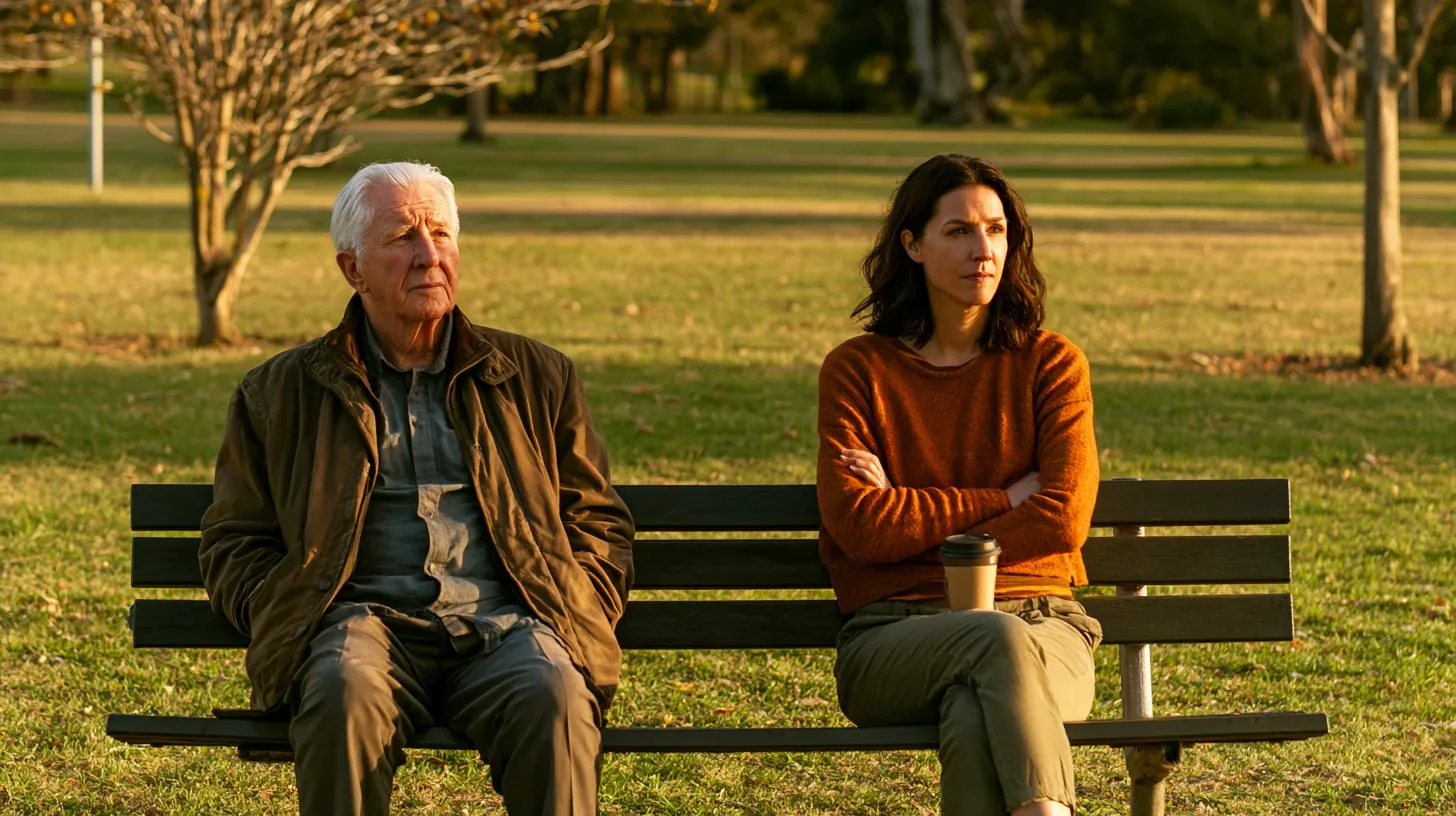
Having tough conversations about senior living? A "no" from your parent doesn't end the talk—it just changes how you approach their support.