Caught Between Habit and Change
Navigate cognitive decline with balance: maintain cherished daily habits while embracing simple, meaningful changes to stay active and connected.

Loading…
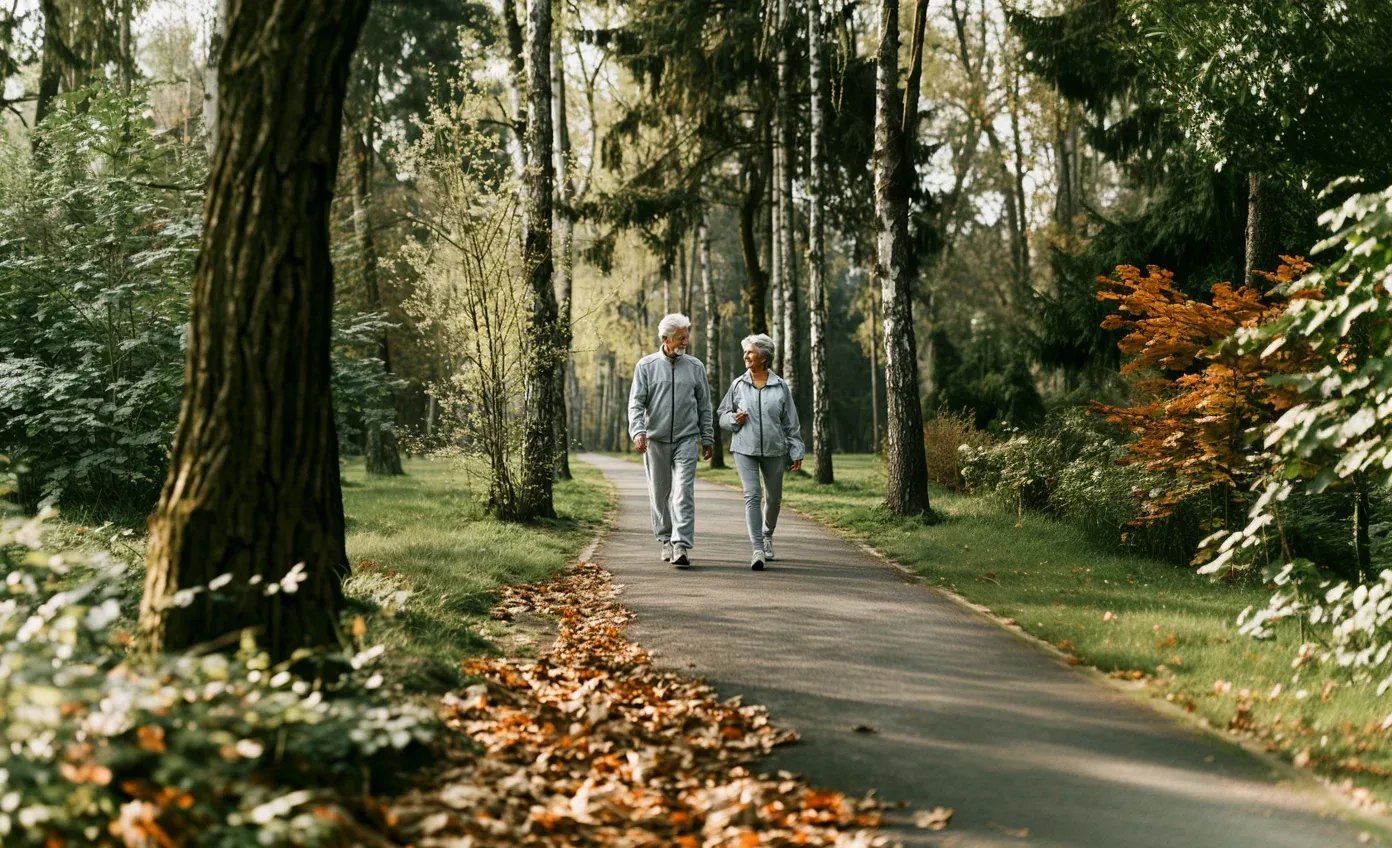
What comes to mind when you imagine an older adult exercising? Probably a gentle stroll through a park, a few cautious stretches, or a seated exercise class set to soft music. These calm and pleasant images reflect a persistent cultural assumption, namely that exercise in later life should be, above all, low-intensity and relaxed. It seems we have collectively decided that strenuous exertion belongs to the young and that older bodies are best kept comfortable and still. Do we have the best interest of older adults in mind though, or is it yet another example of ageism shaping our expectations?
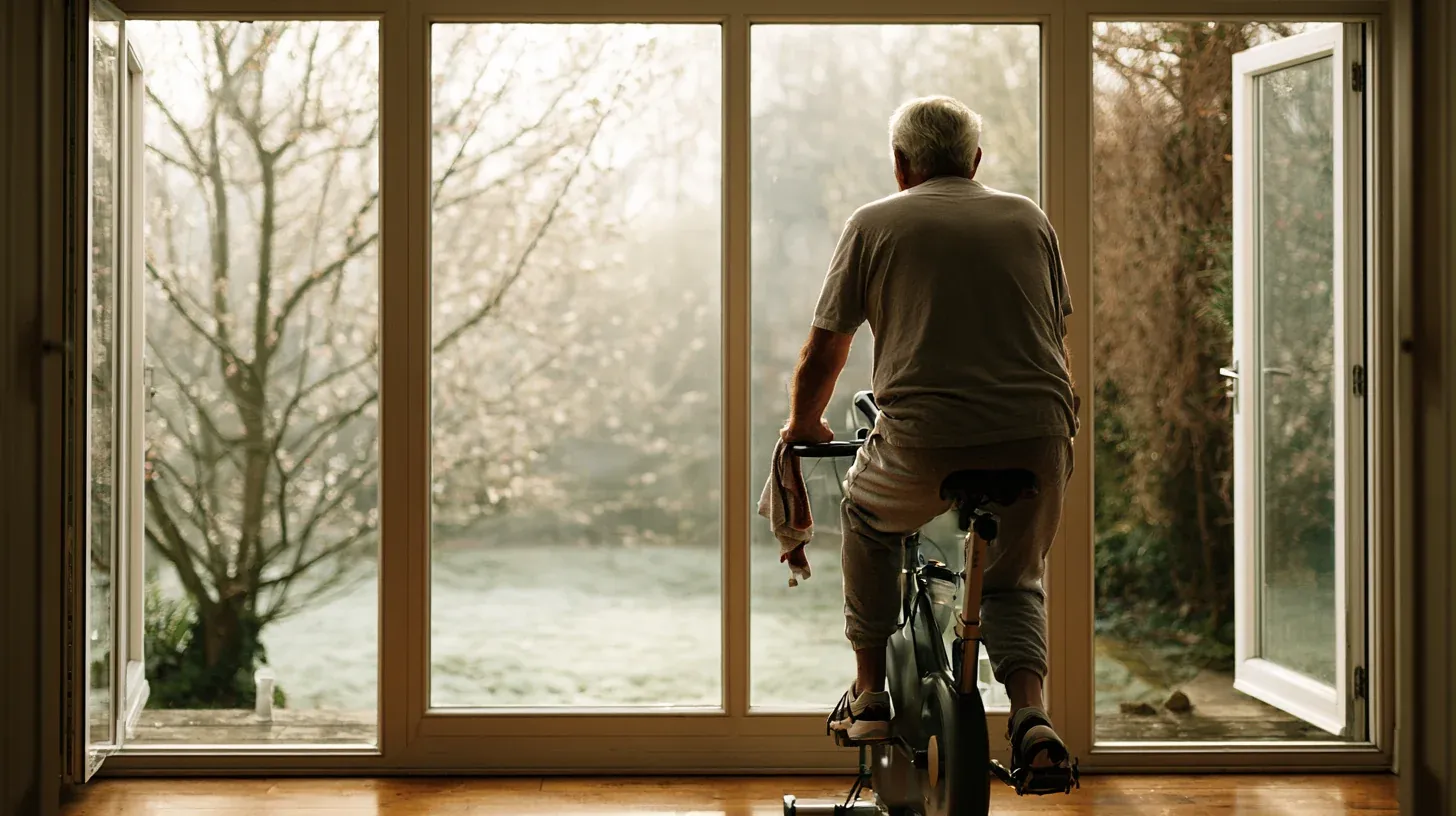
Obviously, we didn’t suddenly arrive at this narrow view of exercise and aging. Throughout the past century, exercise research focused almost exclusively on younger and physically fitter populations such as athletes and university students. Aging was viewed primarily as a process of gradual and inevitable decline. So, it was argued that, while moderate physical activity might offer some benefits, intense exercise was inappropriate or even dangerous for older adults. This mindset was reinforced by medical advice that emphasized rest and caution over movement and challenge. The result was a self-perpetuating cycle: older adults were discouraged from vigorous activity, leading to further loss of physical strength, which in turn reinforced the belief that they were not strong enough to exercise.
Fortunately, the past few decades have witnessed a dramatic shift in our mindset and our understanding of older bodies. Research has shown that the human body retains a remarkable capacity for adaptation as we age. Muscle strength can increase with resistance training. Cardiovascular fitness can improve with regular aerobic exercise. Balance and flexibility can be enhanced with targeted exercises. Training in these areas can translate into increased functionality and safer autonomous living. A fit older adult can do more chores around the house, walk around the neighborhood, commute in the city and have less risk of falls or injury. Staying fit enables older adults to maintain their autonomy and hobbies and actively participate in society.
This shift in our mindset has begun to influence how we approach exercise for older adults. The goal is no longer simply to maintain basic function or prevent injury. Nowadays, we see many older adults engaging in activities that would have been considered unthinkable a generation ago. Competitive running, strength training, yoga, martial arts and cycling are becoming increasingly common among older populations. Studies have shown that older adults who engage in regular, appropriately dosed vigorous exercise experience improved physical health such as better bone density, reduced fall risk and improved cardiovascular function, and also enhanced cognitive functioning, mood and social engagement.
But is vigorous exercise safe for all older adults? The short answer is no! Any form of exercise should be assessed pragmatically for each individual. What we should definitely do is avoid simplistic (and ageist) questions such as “Is this person too old to for this exercise/ training regime/ sport?”. Instead, we should evaluate the physical abilities and limitations of each person, along with possible risks, in order to decide how they should proceed. What we should definitely keep in mind is that any form of exercise (in any age) requires careful risk consideration and risk management. The (often small) risk form exercising should be weighed against the (very real) risk of a sedentary lifestyle and the physical and cognitive decline that often accompanies it. The key to safety is not avoiding any strenuous activity but focusing on gradual progression, proper form, and ideally, guidance from knowledgeable professionals who understand both exercise physiology and the unique challenges of aging bodies.
What is more important though is that the cultural narrative has begun to shift. As older adults are increasingly being seen competing in athletics, lifting weights in gyms, or participating in recreational sports, the reaction from society has started to shift from surprise to admiration to (increasingly) normalization. This mirrors what we have seen in other domains, such as older adults embracing new technologies or breaking into traditionally youth-dominated spaces like gaming. It is yet another example of lived reality winning against ageism!
I hope by now I have convinced you that physical exercise for older adults should be viewed not through the lens of limitation but through the lens of possibility. The human body does not lose the ability to grow stronger, fitter and more flexible simply because we have accumulated more trips around the sun. If anything, the benefits of exercise such as strength, independence, cognitive sharpness, and social connection become more precious with each passing year.
As an older adult: Challenge the assumption that you must stick to gentle activities only. Explore forms of exercise that interest you, and seek out programs or trainers experienced in working with older adults. Progress gradually, but do not be afraid to push your limits in a safe environment with proper support.
As a relative: Encourage your older loved ones to engage in physical activity that goes beyond walking. Offer to join them, help them find appropriate classes or facilities, and celebrate their progress.
As a fitness professional or facility manager: Create welcoming environments for older adults that offer more than just seated or low-intensity options. Provide strength training programs and high-intensity classes scaled appropriately. Enable intergenerational contact by providing opportunities for older adults to train alongside younger people.

I am a Neuropsychologist specializing in cognitive aging, dementia and new technologies. My work focuses on computerized cognitive testing and the use of serious games for the detection of pre-clinical cognitive decline in older adults. I have worked extensively in adapting, creating and validating novel computerized tests that allow for easier, cheaper and more accessible dementia screening. I am a Senior Atlantic Fellow at the Global Brain Health Institute. I maintain ongoing collaboration with the University of California San Francisco Memory and Aging Center and the Heidelberg University Network Aging Research.
Navigate cognitive decline with balance: maintain cherished daily habits while embracing simple, meaningful changes to stay active and connected.
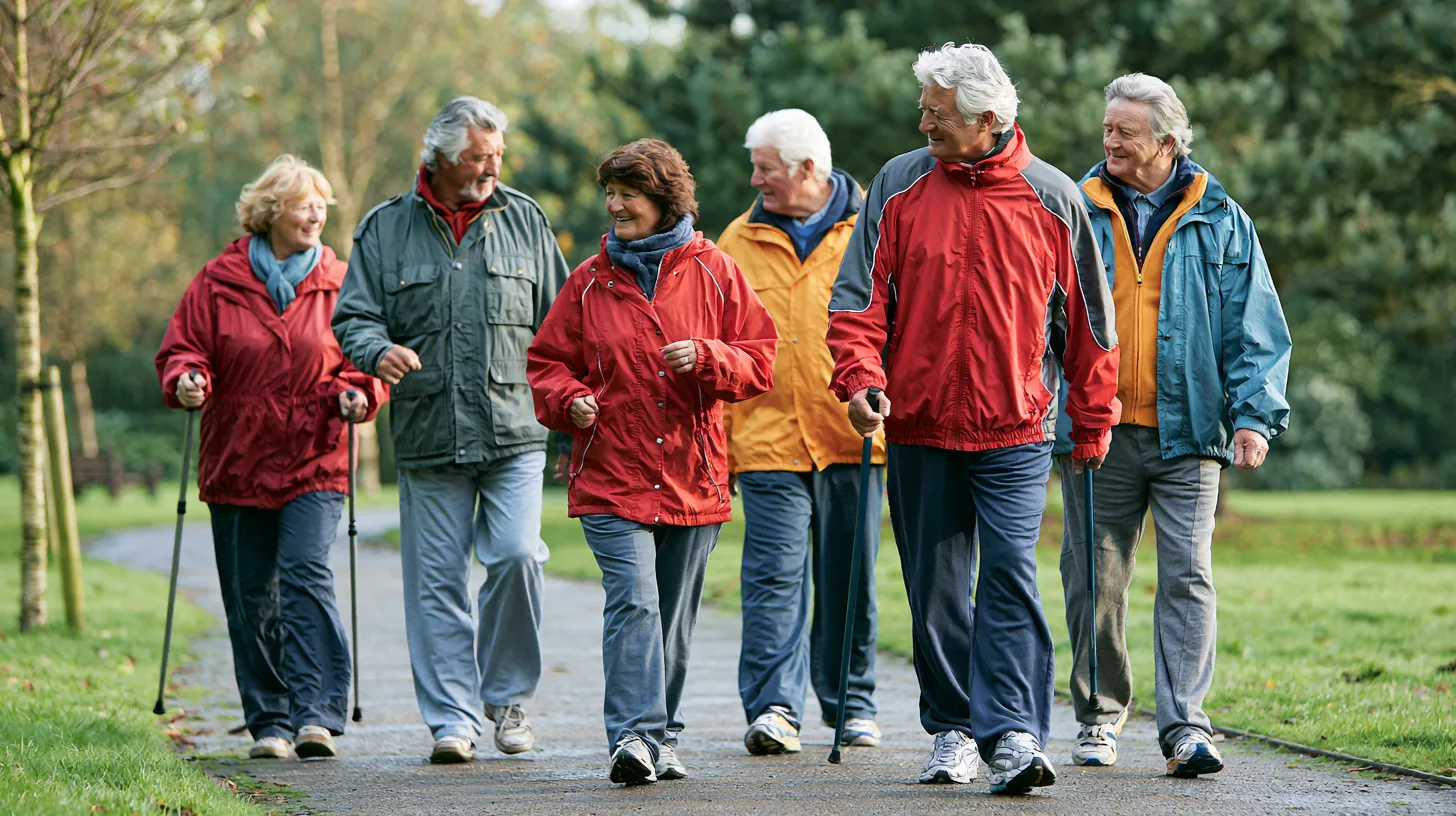
Prof. Magda Tsolaki explains how physical exercise acts as a crucial preventive factor against dementia. Discover the latest Lancet Commission insights, modifiable risk factors, and practical strategies to overcome barriers to staying active and protect your brain health at any age.