Caught Between Habit and Change
Navigate cognitive decline with balance: maintain cherished daily habits while embracing simple, meaningful changes to stay active and connected.

Loading…
What comes to mind when you imagine an older adult on a scorching July afternoon? Perhaps you picture them safely indoors, curtains drawn, fan whirring, waiting patiently for the sun to relent. It is a safe and caring image. And yet, it carries a quiet assumption: that summer, for older bodies, is primarily a threat to be managed rather than a season to be enjoyed.
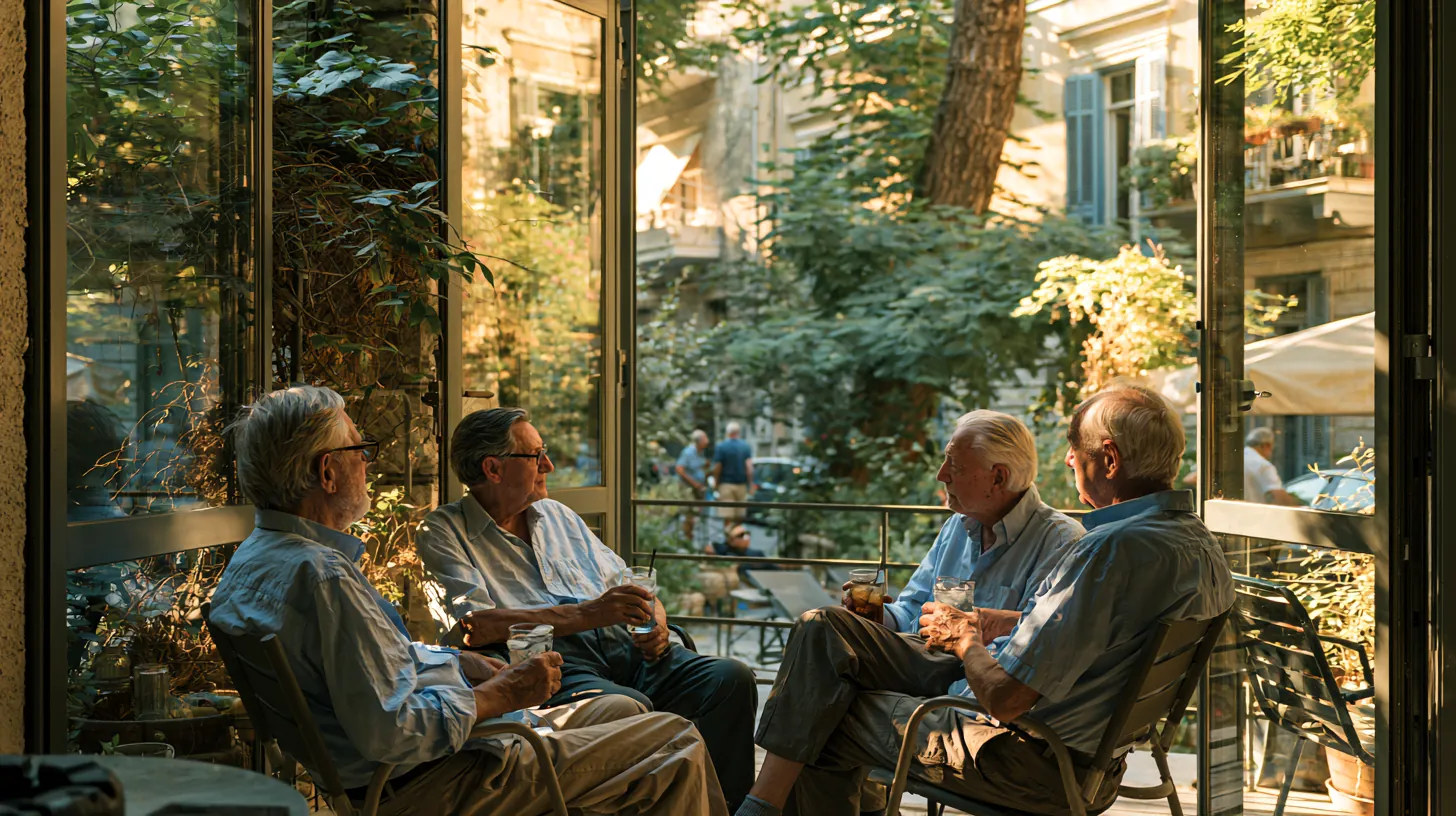
We have developed a collective anxiety about heat and aging, and not without reason. The summer of 2026 has delivered punishing heat waves across the globe: record-breaking temperatures in the American Southwest, prolonged 40°C days across southern Europe, and humid extremes in Southeast Asia. Older adults have been rightly identified as a high-risk group. But must summer be a season of cautious retreat, or can it still hold the pleasures of early-morning bird songs, garden tomatoes, and long twilight conversations? The answer, as with most things related to aging, is (predictably) nuanced.
Our bodies cool us through sweating and by increasing blood flow to the skin. As we age, these systems become less efficient. Sweat glands produce less fluid. The heart may not respond as swiftly, particularly if we have underlying cardiovascular conditions. Our sense of thirst dulls and by the age of 70 many of us do not feel thirsty until we are already dehydrated. This is not a design flaw but the way our biology works. Still, it means the rules of summer that worked when we were 30 no longer apply.
Crucially, we must avoid thinking that any heat-related discomfort is simply "normal aging" to be endured. Heat exhaustion (heavy sweating, weakness, nausea, headache) is a warning signal. Heatstroke, its more dangerous cousin, presents with confusion, rapid pulse, and hot, dry skin. These are medical emergencies.
The clock is our ally. Move outdoor activities to before 10 a.m. or after 6 p.m. The temperature difference between midday and these margins can be 10 to 15 degrees Fahrenheit. This is actually the difference between comfort and danger. Embrace the afternoon pause: read, listen to a podcast, sort through photographs. This is not surrender but adaptation.
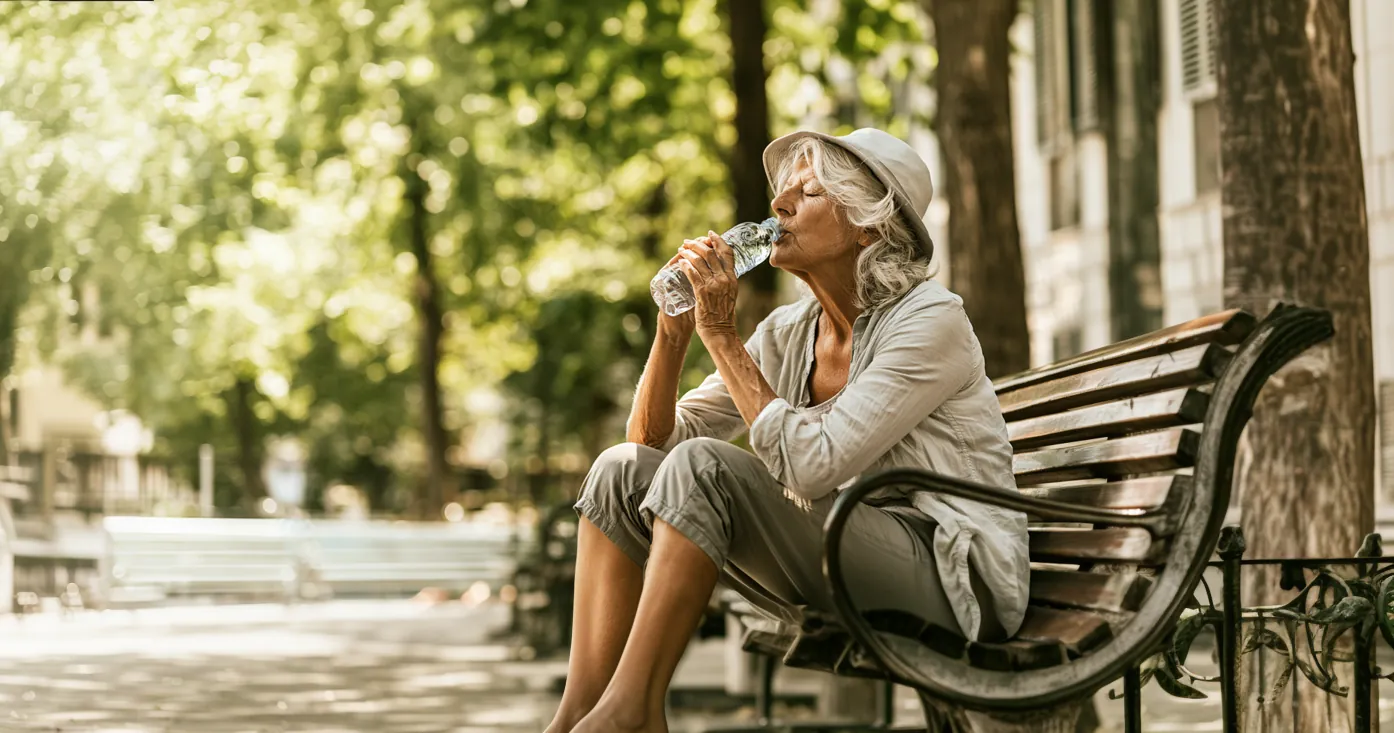
Since thirst is an unreliable guide, make water simply present. Keep a pitcher on the counter, a bottle by your armchair, another by your bed. Set a gentle hourly reminder. Infuse water with cucumber or citrus. Avoid alcohol and excessive caffeine, as both are diuretics, and try chilled herbal teas instead. A useful benchmark: pale straw-colored urine means you are well-hydrated while dark yellow means you are not. Water-rich foods (cucumbers, watermelon, oranges) also help us hydrate. For those in Assisted Living settings, scheduled water offers (rather than passive availability) are critical, as cognitive or mobility challenges may prevent residents from helping themselves.
Close curtains and blinds on south- and west-facing windows during peak sun. Open them at dusk. Place a bowl of ice in front of a fan. This makeshift cooler can drop a room's temperature by several degrees. Wear loose, light-colored, breathable fabrics. Know your local cooling centers: libraries, community centers, and senior halls. These are not emergency shelters of last resort. They are social lifelines with cold water and companionship.
Isolation is as dangerous as the temperature. When we live alone, no one notices if we seem confused, if we have stopped sweating, or if we are speaking unclearly. A morning phone call, an afternoon knock on the door, a simple question such as "Have you had water today? Is your fan working?" can be lifesaving. These small acts are the fabric of community resilience. This extends equally to Nursing Homes, where families should call and ask about heat protocols, and where management must ensure frequent, attentive staff checks on residents throughout the day.
As an older adult: Reject the notion that summer is a season to be endured. Reclaim the early morning and late evening for activities you love. Make hydration visible and integrate it in your daily routine. Learn the signs of heat exhaustion and heatstroke and have a plan for those medical emergencies. Give yourself permission to rest at midday and to enjoy that rest without guilt.
As a relative or friend: Do not assume your loved ones will ask for help. Reach out proactively during heat waves. Offer to run errands or simply sit with them in their coolest room. If your loved one lives in a Nursing Home, call the administrator and ask specific questions: What is your heat protocol? Do you have backup cooling if the power goes out? How often are residents offered water during high-heat days? Your questions reinforce accountability.
As a Nursing Home owner or administrator: Prepare for summer as you would for winter storms: service cooling systems, secure backup generators, and implement scheduled hydration offers. Train every staff member (and not just nurses) to spot heat distress. Designate a cool room, supervise cognitively impaired residents closely, and practice heat-specific evacuation drills. Most importantly, foster a culture where staff can raise concerns without fear. Preparation allows for adaptation instead of a last-minute crisis response.

I am a Neuropsychologist specializing in cognitive aging, dementia and new technologies. My work focuses on computerized cognitive testing and the use of serious games for the detection of pre-clinical cognitive decline in older adults. I have worked extensively in adapting, creating and validating novel computerized tests that allow for easier, cheaper and more accessible dementia screening. I am a Senior Atlantic Fellow at the Global Brain Health Institute. I maintain ongoing collaboration with the University of California San Francisco Memory and Aging Center and the Heidelberg University Network Aging Research.
Navigate cognitive decline with balance: maintain cherished daily habits while embracing simple, meaningful changes to stay active and connected.
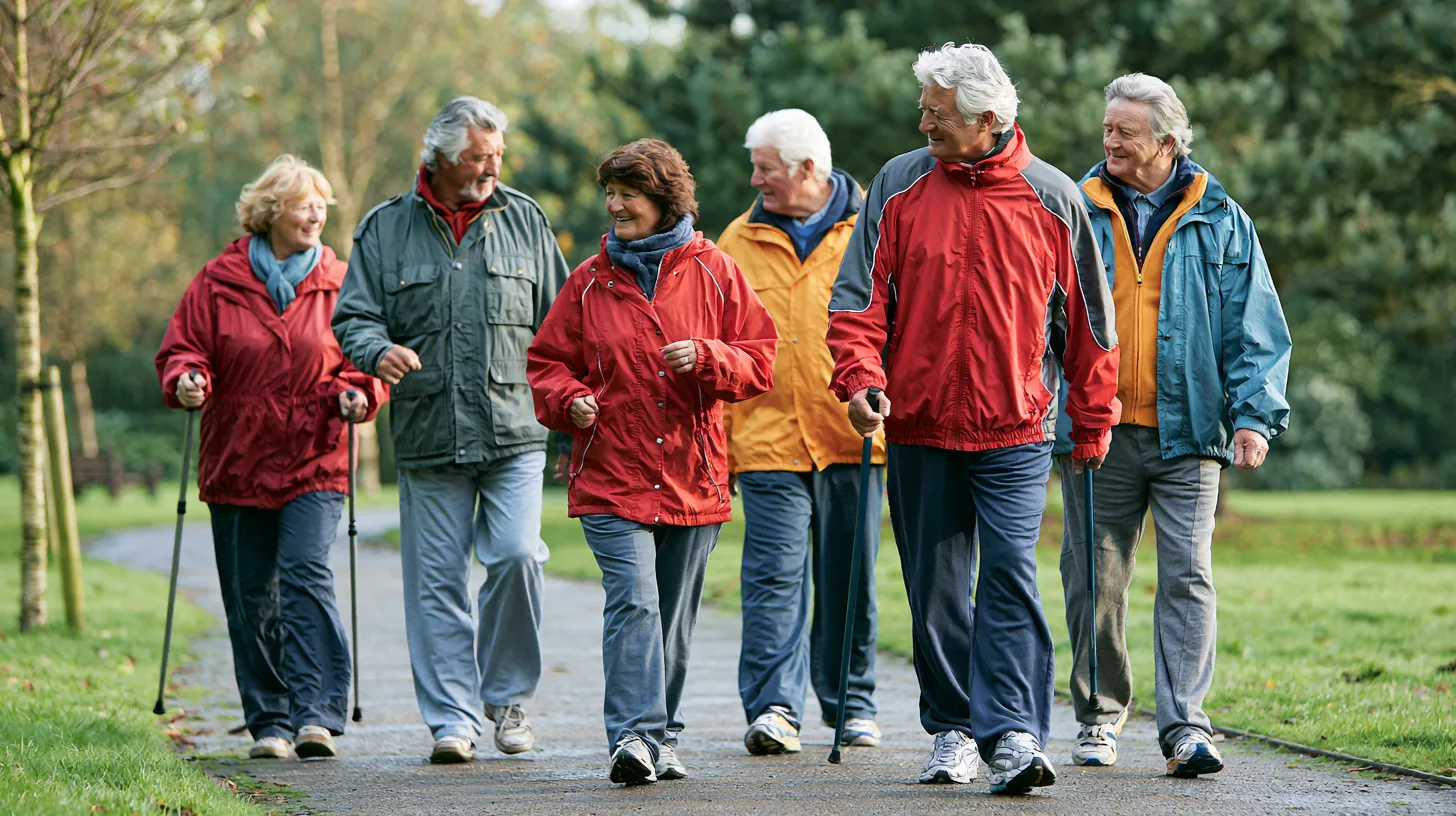
Prof. Magda Tsolaki explains how physical exercise acts as a crucial preventive factor against dementia. Discover the latest Lancet Commission insights, modifiable risk factors, and practical strategies to overcome barriers to staying active and protect your brain health at any age.