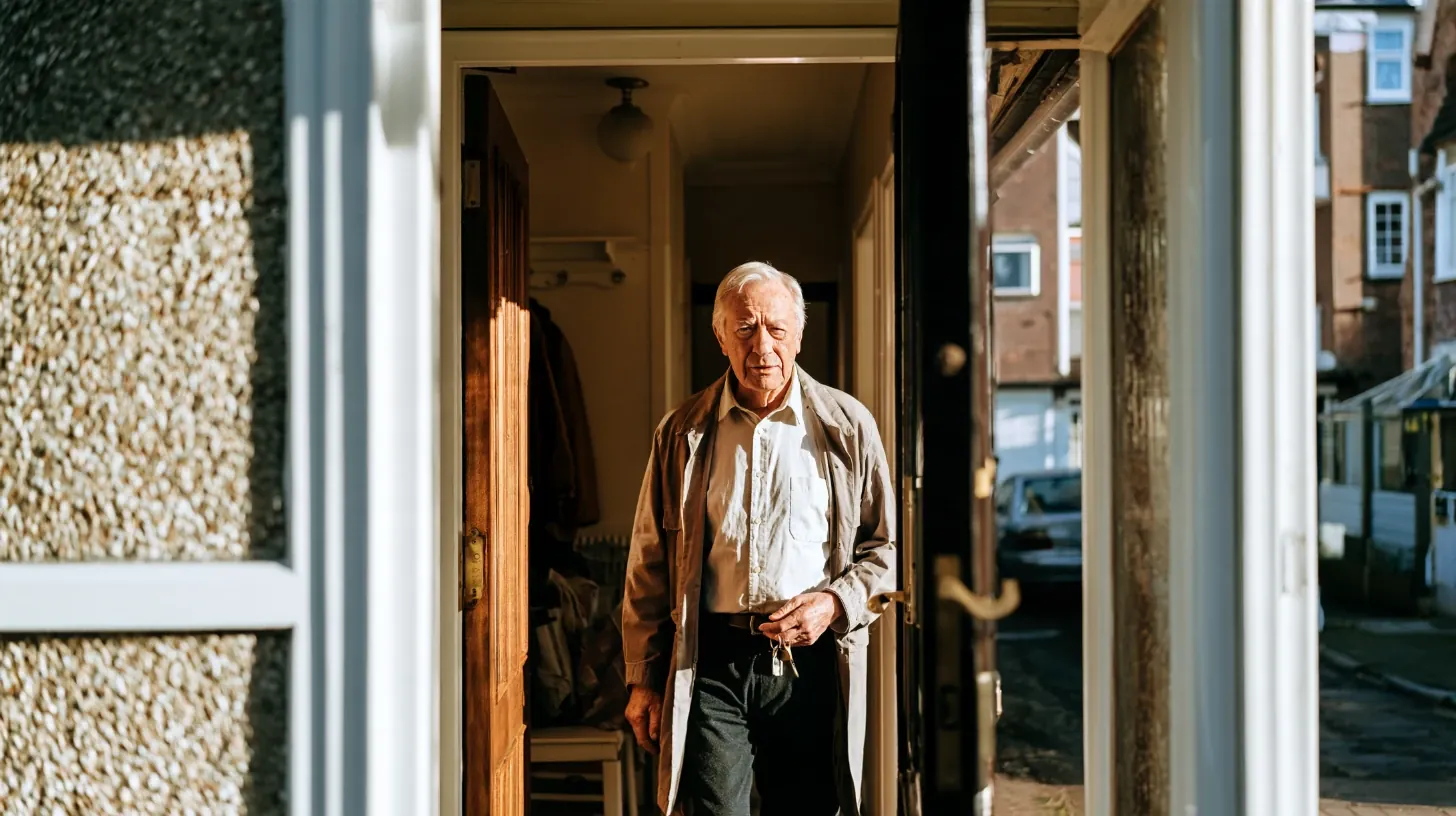
How to Talk to a Parent Who Doesn't Want Help
When an aging parent resists help, the key isn't persuasion—it's understanding what they fear losing. Here is how to navigate the conversation.

Loading…
As people live longer, the number of people who live with dementia continues to rise, even as the age-specific incidence decreases in high-income countries, emphasizing the need to identify and implement prevention approaches.
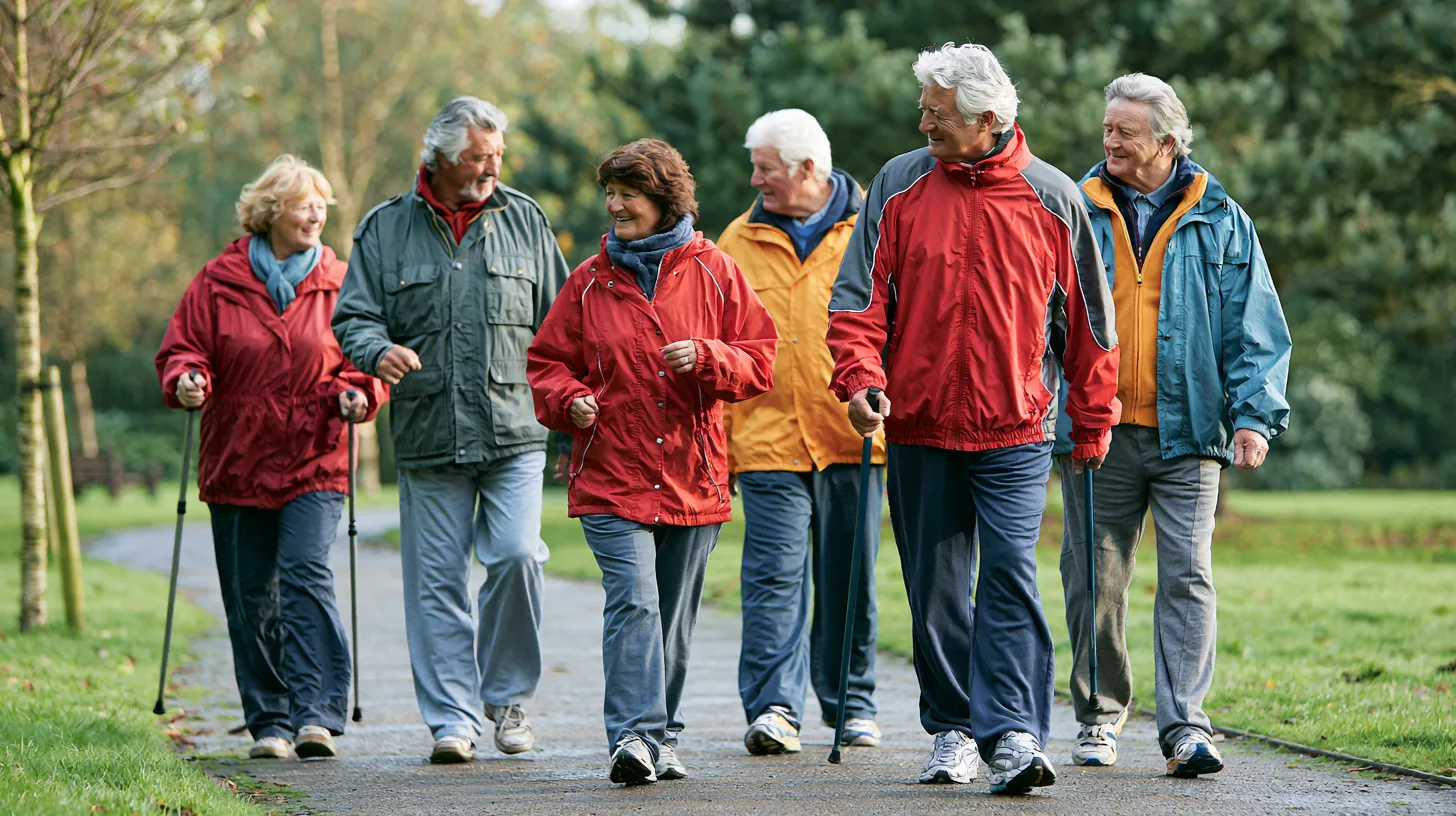
The process of aging involves the decline in metabolic and physiologic functions, and changes in anatomical structure. However, our lifestyle practices, including diets and nutrient intakes, physical exercise, sleep quality, and cognitive activity can help to minimize the aging effects on the brain. Vital to the lifestyle factors that improve brain health and reduce or delay the negative effects on brain aging is physical exercise.
The Lancet Commission on dementia provided hopeful evidence about dementia prevention in 2020 presenting 12 risk factors of dementia which can be modified and decrease the percentage of dementia by 40%. These 12 risk factors are:
1. less education
2. hearing loss
3. hypertension
4. smoking
5. obesity
6. depression
7. physical inactivity
8. diabetes
9. excessive alcohol consumption
10. traumatic brain injury [TBI]
11. air pollution, and
12. social isolation
The same Commission provides new hopeful evidence about dementia prevention, intervention, and care in 2024, presenting two more modifiable risk factors which are:
13. untreated vision loss and
14. high LDL cholesterol.
If we modify also these two risk factors, we can succeed prevention of dementia by 45%.
It is very useful to understand how all these factors contribute to dementia onset, which are the mechanisms with simple words.
Actions to decrease dementia risk should begin early and continue throughout life. Risk is clustered in individuals; therefore, interventions should often be multicomponent and personalized.
Let’s start with body exercise which can be followed by everybody at every age, healthy or with different diseases from childhood until old age.
This short review aims to gather insights into the perceptions of adults with regarding Physical-Body Exercise (BE) and Sedentary Behavior (SB). By collating diverse perspectives related to BE and SB, our objective was to comprehensively understand the emerging concerns. Key findings are emerged across the multiple themes, including factors influencing motivation and limitations to BE, positive and negative attitudes, and various strategies fostering consistent engagement in BE.
Adults consistently link their perceptions of physical activity to both health benefits and physical appearance. They consistently view BE as the primary approach to achieving physical fitness, maintaining mental stability, and reducing the risk of chronic illnesses. Among nine studies, seven studies reported BE needs to be encouraged to ensure living healthy and disease-free. The relationship between BE and mental health is closely intertwined with mindfulness, happiness, stress reduction, and overall improved state of mind.
There are several facilitators and barriers among adults concerning BE participation. Commonly reported facilitators included perceived health benefits for oneself and family, social interaction with peers, weight loss goals, improved mental well-being, and increased self-esteem and confidence. Physical appearance and attractiveness were potential motivators for young men. Gender norms were observed to limit opportunities for exercise in women. Other barriers identified included lack of safety, motivation, limited resources, time constraints, overuse of technology, fatigue, laziness, family responsibilities, and shifting cultural and social values. Recognizing these factors can help design practical and sustainable approaches to encourage BE in adults.
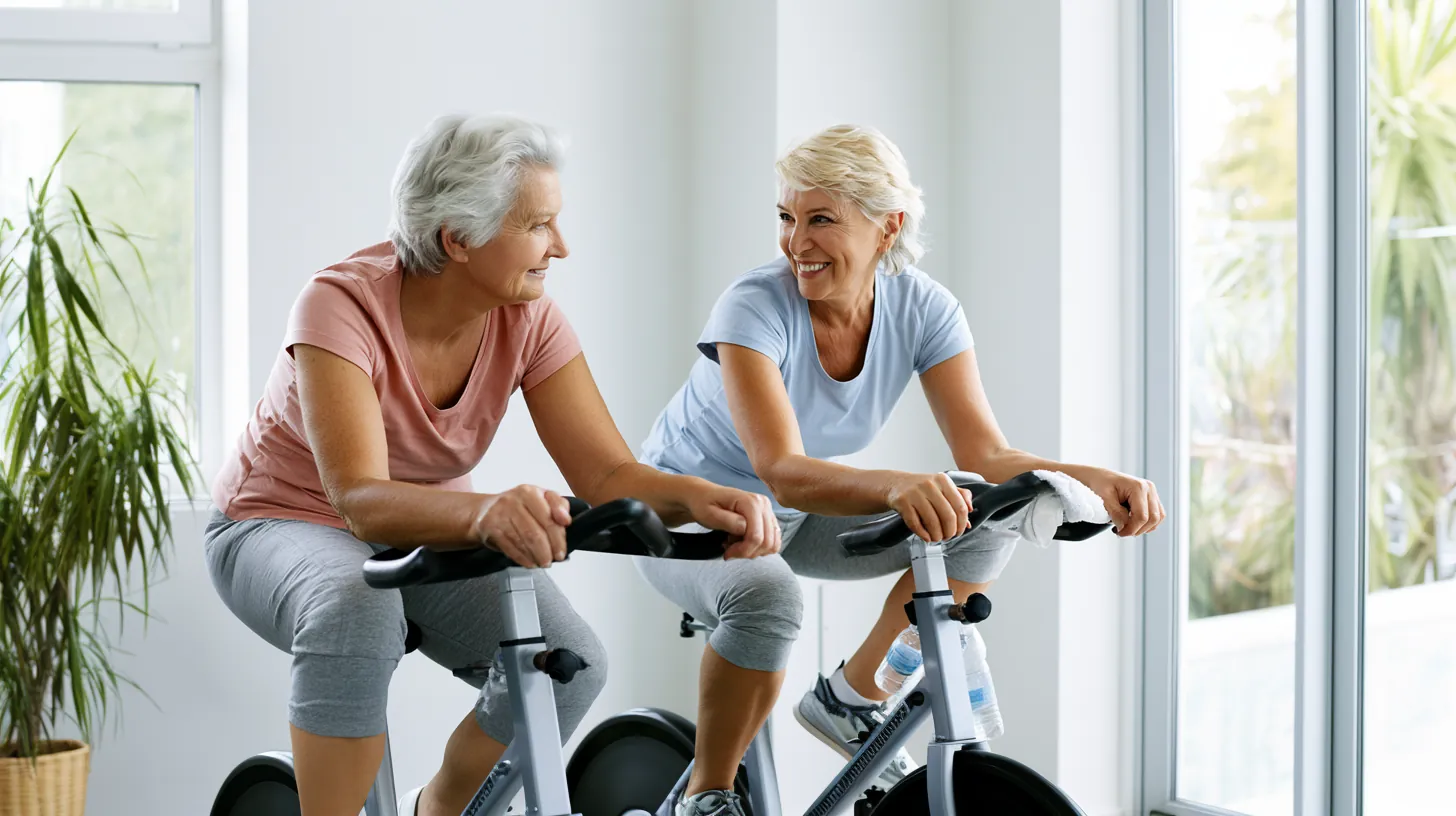
An individual’s attitudes, deeply rooted in personal beliefs, perceptions, and motivators, act as influential factors that can either propel or hinder an individual’s commitment to maintaining an active and healthy lifestyle. Those with a positive attitude or experience view BE as a beneficial and enjoyable pursuit, which significantly influences BE promotion. Individuals derive enjoyment and satisfaction and witness positive outcomes such as weight loss from engaging.
Perceptions towards physical activity:
· Health- related benefits (+)
· Lack of knowledge (-)
· Weight loss as primary motivation towards BE (+)
· Feeling different or self-conscious (-)
· Barriers to BE: gender specific norms, socioeconomic factors, lack of self-efficacy (-)
· Facilitators to BE: social support and pressure, access to opportunities, and positive experiences (+)
· Personal barriers (lack of motivation, not having fun, comments on body size, injuries, and health conditions) (-)
· Social barriers (responsibilities and lack of partner) (-)
· Environmental barriers (safety, expensive gym, and lack of access to facilities) (-)
Factors motivating people to engage in BE:
· Physical appearance, social inclusion, physical and mental health and sport or performance (+)
· Barriers to BE: busy lifestyles, social and emotional factors, and cost and limited access as logistic factor (-)
· Motivators for BE: interacting with peers, sense of accountability, constructive competition, and overall well-being (+)
· Barriers for BE: adulthood priorities, technology, expensive and crowdy gym culture, and lack of knowledge (-)
· Lack of awareness: not aware about intensity, duration, and frequency, unable to differentiate between Physical Activity (PA) and exercise (-)
· Factors enhancing self-efficacy: previous experiences with PA (+,-), barriers to PA (-), and self-identified strategies to overcome them (+)
Strategies to promote PA goal-setting, tracking, and rewarding:
· Barriers to PA: limited access to safe places, long work hours, and fatigue (-)
· Knowledge of PA: staying healthy for family and reducing risk for chronic illnesses (+)
· Lack of PA as a risk for various illnesses (+)
Factors influencing engagement in PA:
· Good physical and mental health (+)
· Lack of time (-)
· Automated transportation (-), and
· Poor self-efficacy (-)
PA contributes to a heightened sense of self-efficacy. These positive associations foster a more favorable attitude towards exercise and motivate participants, encouraging sustained participation. Conversely, negative attitudes, such as finding exercise boring, monotony in routine activities, or experiencing dissatisfaction due to lack of perceived benefits, can lead to demotivation and hinder the adoption of regular PA.
In recent decades, cultural and social lifestyles have significantly changed, leading to a surge in SB characterized by increased sitting and relaxation. The pervasive influence of technology in society has further amplified this trend, resulting in decreased levels of PA. Additionally, social factors play a crucial role, including the prevalence of deskbound jobs, leisure time sitting, and heavy reliance on vehicles, computers, and cell phones at home and in the workplace, all contributing substantially to increased sedentary lifestyle in this demographic group.
It is paramount to implement strategies aimed at breaking sedentary patterns in adults to foster healthier lifestyle habits. These strategies include incorporating regular breaks during work hours, integrating BE into daily routines, transforming social activities into more active behaviors, utilizing feedback and prompts as reminders, and seeking social support to sustain these changes. Workplace incentives can play a significant role in enhancing BE behavior and reducing sedentary behavior. Among these strategies, an initial focus should be on raising awareness about the adverse effects of a sedentary lifestyle. Additionally, addressing the impact of technology-driven sedentary behavior and implementing diverse approaches to adapt to prevailing work cultures are crucial steps.
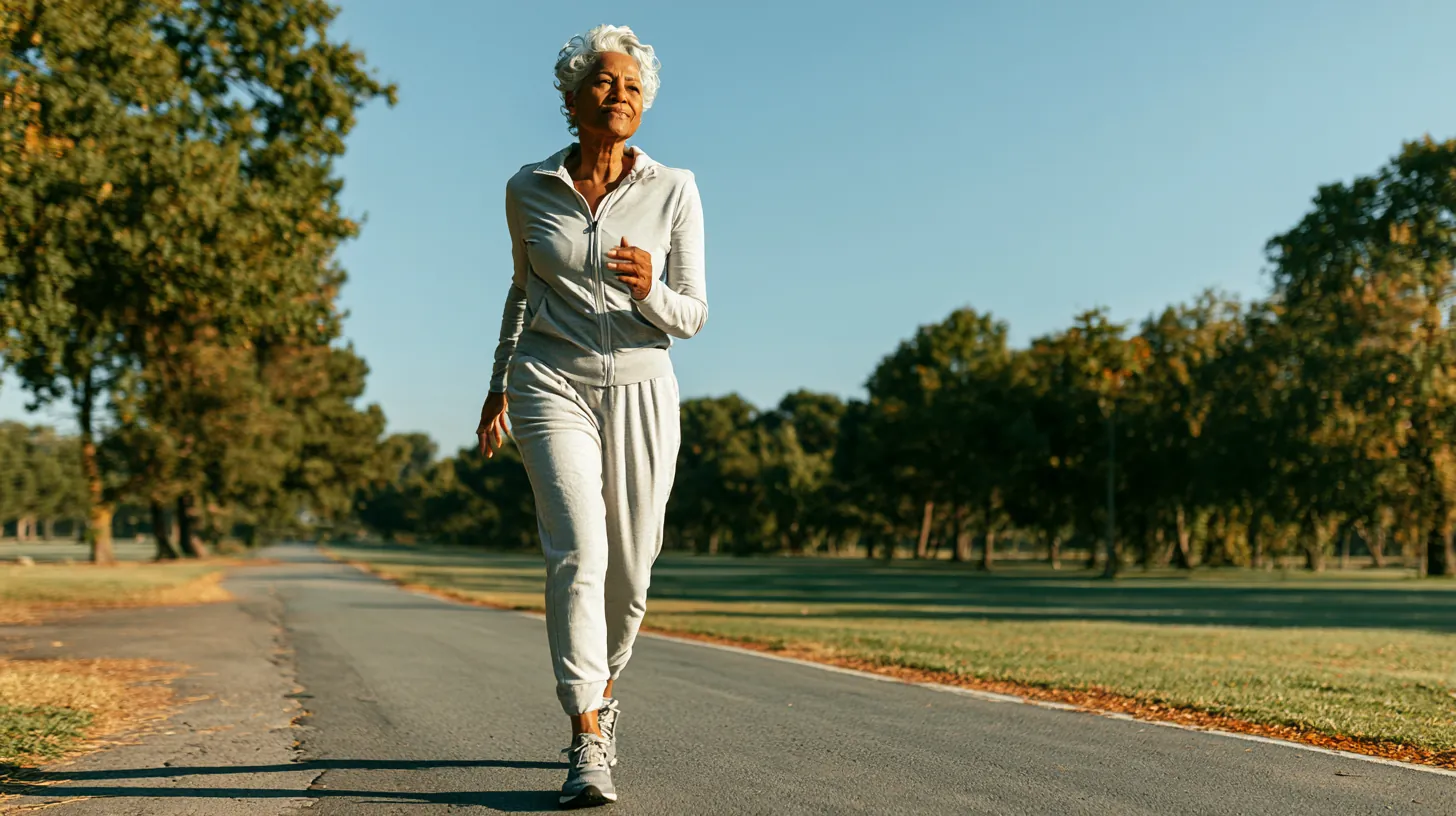
This short review revealed few commonly reported time-saving strategies to promote BE within all people. Practical approaches identified were implementing workplace activities, setting specific achievable goals, and incorporating social changes like engaging in activities with friends and family during leisure time. Moreover, altering social activities to prioritize active pursuits and reduce sedentary time emerged as an important strategy. Participating in gym activities alongside peers may seem appealing; however, its costliness, need for a trainer, and inconvenient timings render it a subjective option for many. Also, self-reported interventional approaches towards PA promotion, such as the use of technology where text messages or phone calls could be used as reminders for an individual to move around and also help them to track and compare the process throughout. Rewards and reinforcements or gift cards or tangible products (like clothing) were a few incentives reported by women who were overweight. Women also mentioned walking, dancing, active jobs, and joining Zumba classes with friends as a few strategies to engage themselves, along with the guilt of missing those classes. Social media and public health campaigns were credited for enhancing the knowledge about some diseases of old age and neurogenerative diseases.
Among nine studies, three of them investigated perceptions and attitudes regarding sedentary behavior, as well as the various factors influencing sedentarism. A common theme emerging across these studies are represented under the following headings. Sedentary behavior-ignorance and unawareness Adults often exhibit a lack of awareness regarding sedentarism and its associated risks, primarily stemming from a deficiency in knowledge. However, few adults perceived sedentarism as a prolonged sitting period with minimal movement, whereas few perceived it as a risk factor for obesity, various chronic diseases, and other health deteriorating conditions.
The contributors to sedentary behavior (SB), specifically among adults with overweight/obese, are categorized into personal, social, and environmental factors. Personal factors include daily routine activities such as prolonged periods of inactivity in bed, excessive television viewing, seeking enjoyment and relaxation, allocating personal time, and experiencing reduced productivity post-work. Social factors revolve around social events and the influence of friends and family contributing to SB. Both work and home environments play significant roles in influencing SB, with prolonged sitting for relaxation or meeting job demands being prominent factors. Age emerges as a frequent influencer of SB, often leading to decreased BE levels and prolonged sitting.
This short review benefits from its comprehensive screening of a substantial number of abstracts and articles, providing an extensive mapping of perceptions regarding BE and SB among adults. It focuses exclusively on qualitative studies, offering valuable insights into subjective experiences. A range of attitudes influencing the willingness and unwillingness of adults to engage in BE were uncovered, which highlights the importance of addressing psychological barriers and promoting positive self-perception as part of efforts to promote BE. Strategies to promote BE and reduce SB were identified, offering a roadmap for interventions to foster engagement and adherence among this population. Leveraging technology to improve adherence to regular BE (e.g., virtual coaching platforms, goal-setting mechanisms using fitness trackers and apps) can be explored in further research.
The intricate and diverse perspectives held by adults, particularly concerning their BE and SB, offer valuable insights for clinicians and researchers aiming to promote regular PA. Additionally, the study addresses the unique challenges faced in workplace environments when adopting sustainable BE. Implementing cost-effective approaches is equally imperative to make interventions accessible and feasible for everybody.
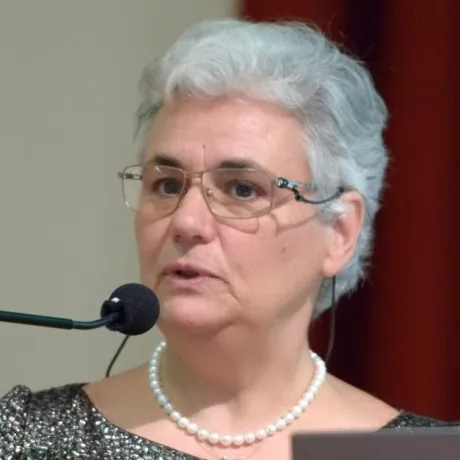
Magda Tsolaki was born in Thessaloniki, and studied Medicine and Theology at the Aristotle University of Thessaloniki (AUTH). She initiated her collaboration with AUTH in 1982 and a year later received her specialty as a Neuropsychiatrist and her PhD. She has been a Professor of Neurology since 2010, and she was the Head of the 1st University Department of Neurology (2017-2020) and now emeritus professor. She has founded the Greek Alzheimer’s Association in 1995 and the Greek Federation of Alzheimer’s Disease in 2007, in which she is up today the Chair, while also being the scientific director of three Public Dementia Units (founded by her in 2007, 2009 and 2022). She has given more than 656 lectures throughout Greece, and participated in more than 77 funded research programs and 31 funded clinical trials. She has received 85 awards and has been the main author of many Books (60), many abstracts in Greek (531), International (489) Conferences, author in many Papers in Greek (285) and International Journals [680 of which 589 in PubMed (h-index: 118, i10-index: 459 and more than 69,000 Citations in Google Scholar]. She is member of the Greek National Observatory for Dementia. She is invited speaker in more than 157 meetings in English and 344 in Greek Language. She has been a reviewer for Conferences and Journals (430) and has organized 60 national and 5 international Meetings on Alzheimer’s Disease. Finally, she was one of the three or seven advisory members for 36 doctoral theses-completed and 61 postgraduate theses.
When an aging parent resists help, the key isn't persuasion—it's understanding what they fear losing. Here is how to navigate the conversation.
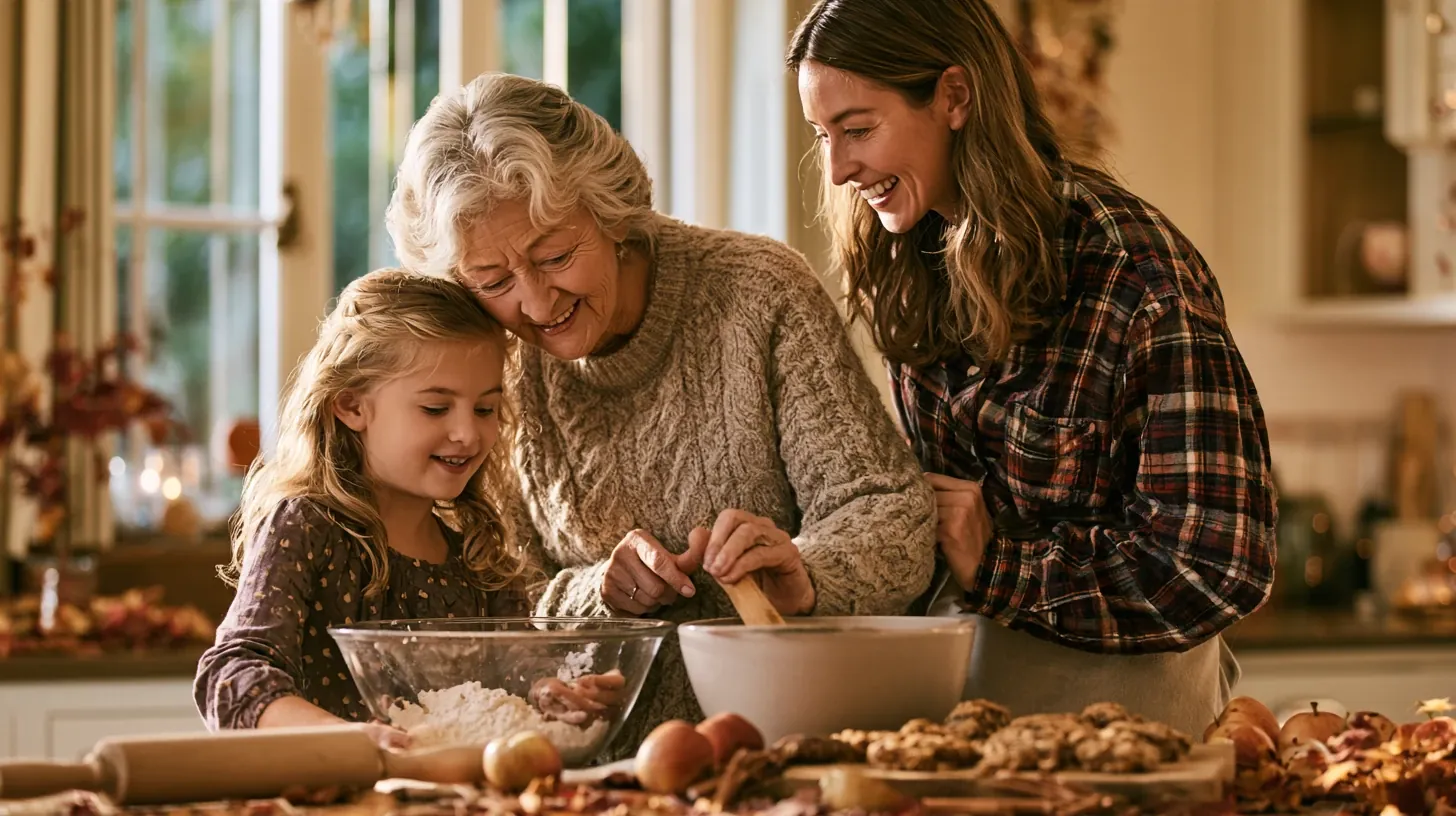
Discover how the sights, scents, and traditions of autumn can unlock memories and create meaningful connections for older adults living with dementia.