What Happens When a Parent's Care Needs Increase?
When a parent's care needs increase, does Assisted Living adapt or require a move? Learn what to ask about care plans, costs, and limits.

Loading…
Picture the first tour. Soaring lobby, stone fireplace, beautiful furniture. The model apartment is staged to the last throw pillow. It's genuinely impressive, and the family says so on the drive home.
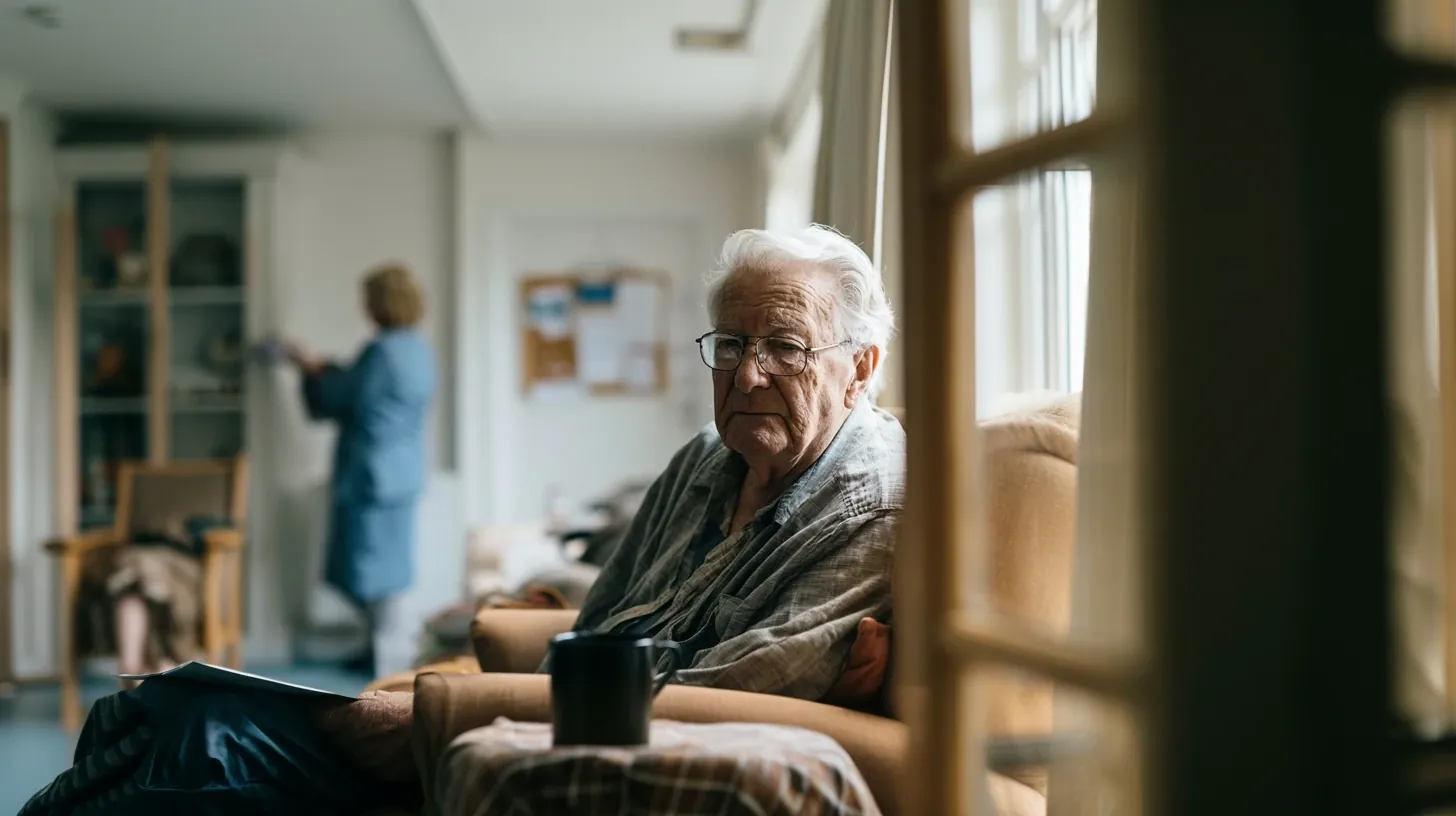
Now picture a second community. Less dramatic entrance, plainer furniture, nothing that would photograph quite as well for a brochure. But as you walk through, a resident passes and someone at the front desk says her name without looking it up. Two women are still lingering over coffee an hour after breakfast. There's a half-finished jigsaw puzzle on a side table, somebody's cardigan draped over a chair back like they'll be right back for it. A caregiver walks by, glances at a resident settling into a recliner, and says, "Black, no sugar, right?" before he's even asked.
Something about the second place feels different. It's not the furniture. It's not the fireplace. It's something closer to what happens in a house where people actually live.
That difference has a name, and it's worth learning to see it on a tour, because the two words families hear constantly — homelike and home — are not the same thing.
Homelike describes how a place looks. Home describes how it feels to live there.
Think about what actually makes your own home feel like yours. It's probably not the countertops. It's the chair you always sit in, the photos on the shelf nobody else would have chosen, the coffee mug you reach for without thinking, the books stacked by the bed that you'll get to eventually.
Those things matter after a move too — bringing furniture, photographs and familiar objects into a new apartment is one of the more reliable ways people carry their identity forward into an unfamiliar place. Most communities know this and encourage it. Bring your recliner, bring your art, bring whatever fits.
But there's a further question worth asking, one that goes past whether residents are allowed to bring their things: are they allowed to actually live with them?
Can the side table stay a little cluttered? Can photographs go up crooked, in whatever arrangement makes sense to the resident instead of the one that photographs best? Does the apartment look like someone's home, or does it look like the model unit down the hall, just with different family photos swapped in?
Allowing residents to bring familiar belongings is a good start. Giving them enough freedom to actually live with those belongings is what begins making the space theirs.
Moving into senior living almost always means giving something up — some independence, some privacy, some control over daily logistics that used to be invisible because nobody thought about them. That's exactly why the control someone gets to keep matters so much.
When do I wake up? Where do I sit at breakfast? Can I skip the group activity today and just read? Can I eat in my pajamas if I feel like it? If I close my door, does someone actually wait for me to answer before they come in, or is the knock just a formality?
These sound like small things.
They aren't.
A beautifully designed community can still feel like an institution if residents feel like they need permission to run their own day. The fireplace in the lobby doesn't answer any of these questions. Only the daily texture of the place does — and you generally can't see that texture from a brochure or even a first tour.
You have to ask about it directly, and pay attention to the small interactions happening around you.
Families are right to ask about staffing ratios, training and turnover. Those questions matter. But there's another question worth adding to the list, and it gets at something the numbers can't:
Do the people who work here actually know the people who live here?
Not just the room number and the care plan.
Who wants to talk before their coffee, and who wants to be left alone until it's finished. Who can't stand being called "sweetie." Who taught third grade for three decades and still corrects people's grammar. Who hasn't missed a Dodgers game in forty years. Who wants company most afternoons, and who genuinely doesn't.
Being known this way — well enough that a resident doesn't have to keep re-explaining who they are — is one of the clearest threads running through what residents themselves describe as feeling at home.
It's the difference between a service relationship and something closer to a real one.
You can sense it in small moments: a caregiver who anticipates instead of asks, a name used instead of a room number, a joke that only makes sense if you already know the person.
Here's a detail worth paying closer attention to than most families do: the dining room.
Not the menu, the table linens or how the food photographs — what actually happens there.
In many communities, the dining room functions as the real social hub, the place where community life either happens or doesn't. So don't just look at it.
Watch it.
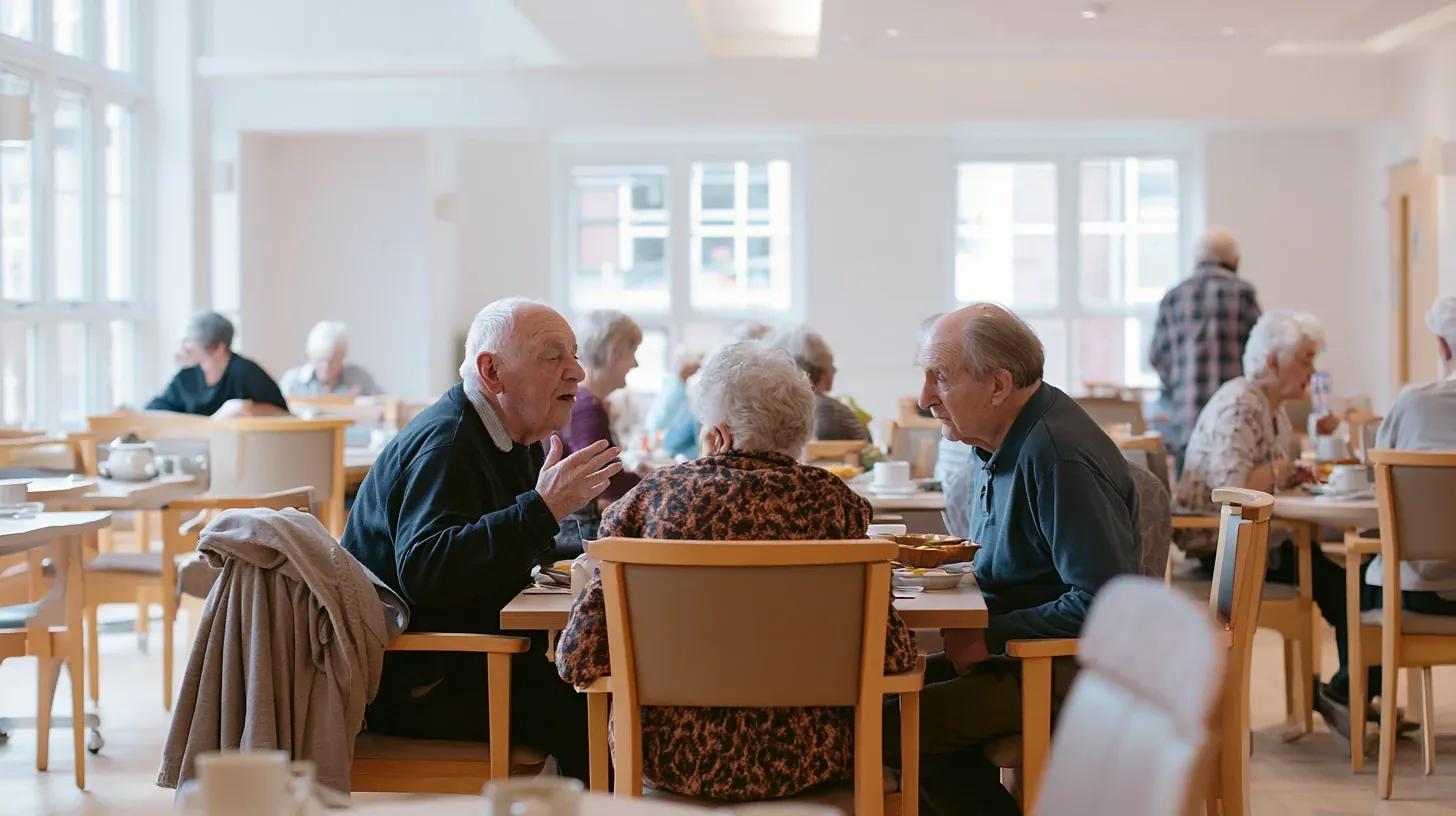
Do residents arrive early and talk before the meal starts? Does someone save a seat for a friend who's running late? Does conversation move naturally around the table, or does the room go quiet the moment plates arrive? Do people seem to have chosen who they're sitting with, or does everything feel assigned and managed, like a very polite holding pattern?
Shared meals can absolutely build relationships. But sitting people at the same table three times a day doesn't automatically make them friends, any more than assigned seats in a classroom make two kids close.
Connection still has to happen on its own, and a good dining room is one that makes room for it rather than one that simply processes people through it efficiently.
Every community hands new families an activities calendar, usually an impressive one — exercise class, art hour, live music, happy hour, a full week mapped out in color-coded blocks.
It's tempting to judge a community by how packed that calendar looks.
Resist that instinct a little.
A packed calendar doesn't tell you how residents actually spend their days — or whether those activities mean anything to the people attending them.
Some people would rather read the paper, water a plant, listen to music, chat with someone in the hallway, watch the game, or simply do nothing in particular for an afternoon.
None of that looks impressive on a calendar.
All of it looks a lot like an ordinary life — which, if you think about it, is the actual goal.
This isn't an argument that activities don't matter. It's a reminder that programming and belonging aren't the same thing, and a community that mistakes one for the other can end up scheduling residents right past the ordinary life they're actually trying to build.
Here's something worth sitting with: real homes are a little messy.
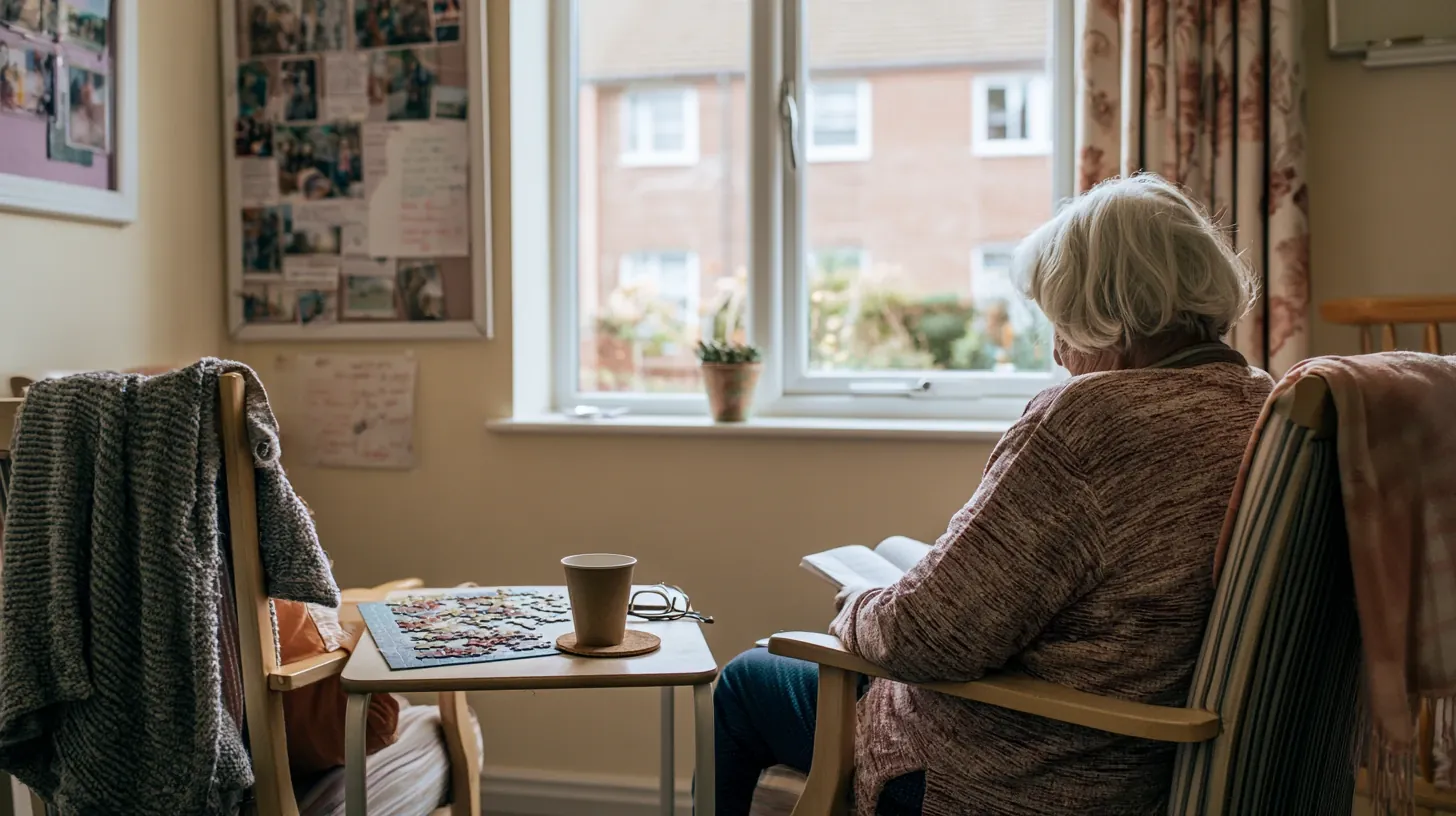
Newspapers get left out. A sweater ends up on the back of a chair for three days. There's a half-finished puzzle nobody's cleared away. A dresser has more photographs on it than good design would allow. A walker gets parked somewhere slightly inconvenient because that's where it was needed last.
None of that excuses poor housekeeping, safety issues or genuine neglect — those are different things entirely, and worth taking seriously if you see them.
But there's a real difference between clean and staged.
Sometimes the very things that make a community look a little less polished in a brochure photo are the clearest evidence that people actually live there, rather than merely reside there.
It's worth saying plainly: even the best senior living community probably won't replace the house someone lived in for thirty or forty years.
That's not a failure of the community.
It's just true, and pretending otherwise sets everyone up for disappointment.
What tends to happen instead, when things go well, is that a place becomes "home now" — not a replica of what came before, but something real in its own right.
Some residents may never use the word home at all, and that doesn't necessarily mean something has gone wrong. The goal was never to recreate the previous house.
It's to build enough familiarity, autonomy, relationship and ordinary daily life that the new place gradually becomes theirs, on its own terms.
At the end of a tour, most families ask each other some version of the same question:
Was that a nice place?
Try a different one instead:
Could my parent build an ordinary life here?
That question sends you looking at different things.
Not just the lobby, but the people in it.
Not just the apartment, but whether someone could actually make it theirs.
Not just the dining room, but whether anyone seems to be connecting in it.
Not just the activity calendar, but what residents are doing on an average Tuesday afternoon when nothing's scheduled.
Not just whether the staff are professional, but whether they know the residents by more than name.
Not just whether a community looks like home.
Whether the people living there seem to be living as though it is.

Jeff Hix writes about senior living with one goal: helping families, providers, and healthcare professionals make better decisions through transparency, education, and practical guidance.
After helping his father build, launch, and market an Assisted Living and Memory Care community in Southern California, Jeff developed a unique perspective on both the emotional journey families experience and the day-to-day realities senior living providers face.
Today, as Co-Founder and Chief Revenue Officer of Map Of Care, he writes about the ideas, trends, and practical insights shaping the future of senior living.
When a parent's care needs increase, does Assisted Living adapt or require a move? Learn what to ask about care plans, costs, and limits.
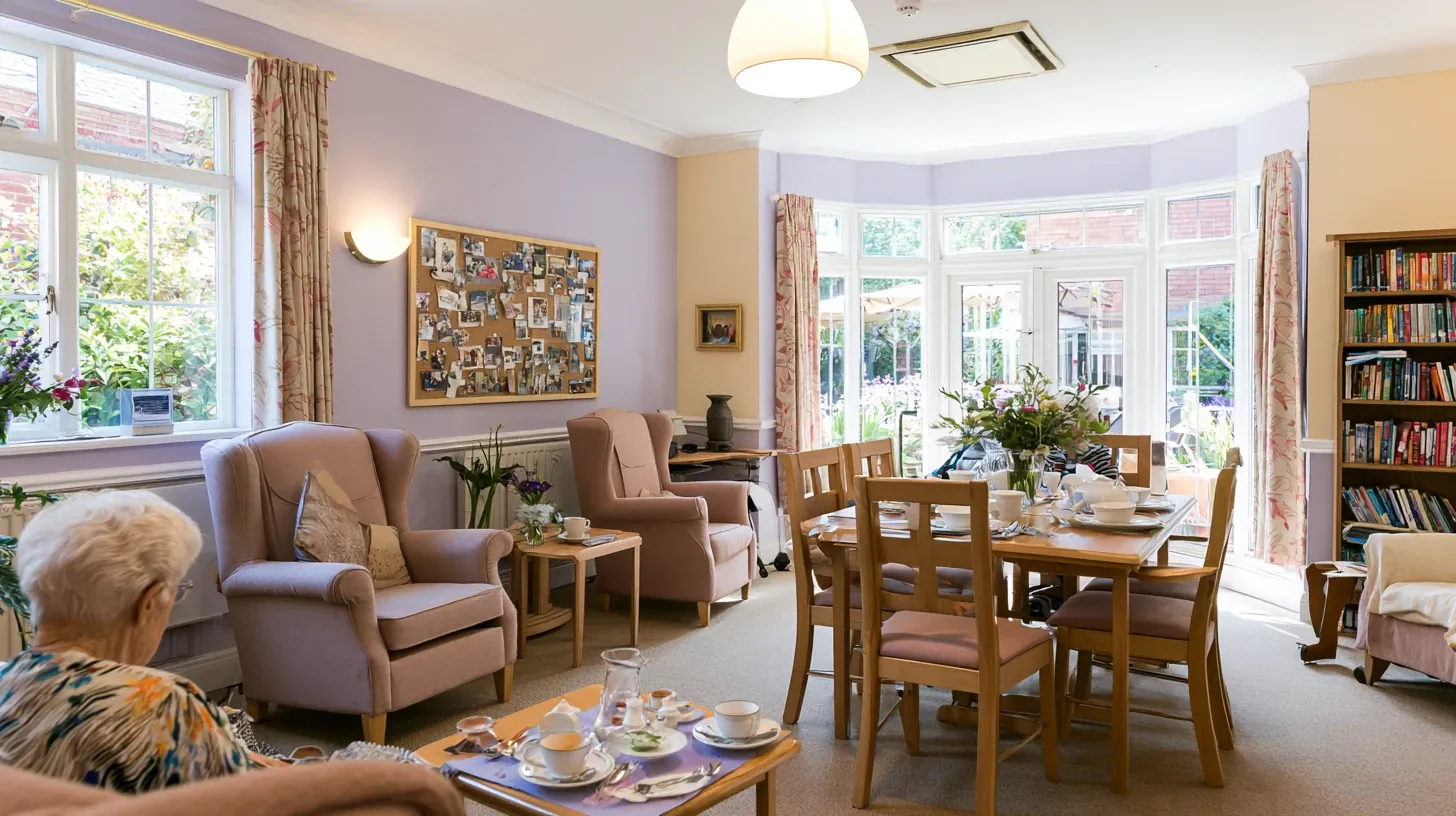
A beautiful lobby doesn't guarantee great care. Here is how to look past the amenities and evaluate what matters most during a senior living tour.