How to Choose Senior Living: 7 Areas to Look Past the Sales Pitch
Tours blurring together? Skip the sales pitch and focus on what matters most: finding a senior living community that fits your parent’s life.

Loading…
The tour is going well.
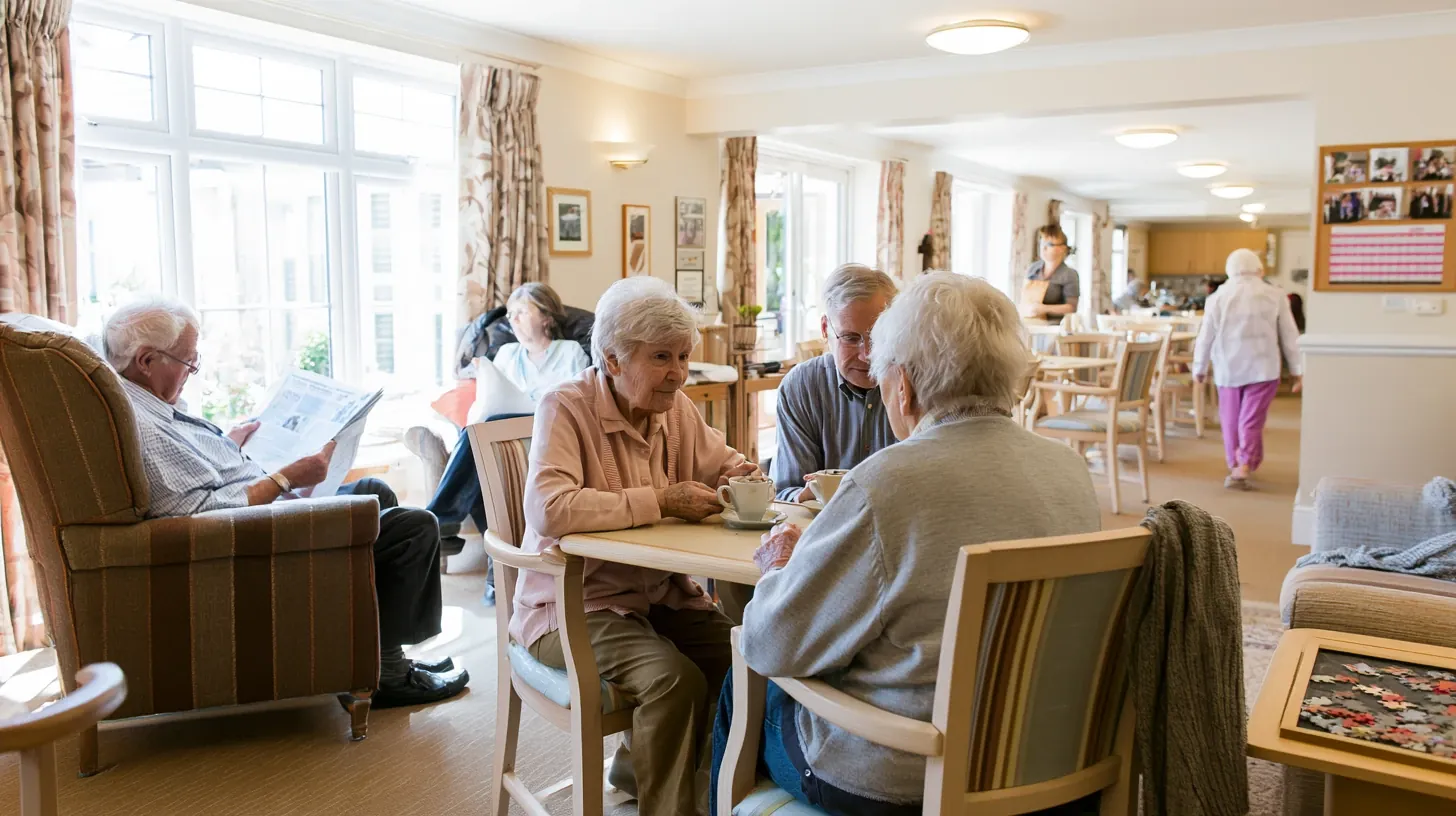
Someone meets you in the lobby with coffee. There's a fireplace, fresh flowers, a piano nobody seems to be playing. The dining room looks like a nice neighborhood restaurant, with cloth napkins and a menu that changes daily. You pass a small fitness center, a salon, a courtyard with raised garden beds. The activity calendar has a watercolor class on Tuesdays, and you catch yourself thinking, Mom might actually go to that.
None of this is meaningless. If Mom moves here, she'll eat in that dining room, walk those hallways and, with luck, sit in that courtyard on good afternoons. The place she lives should feel like a place worth living.
But the hardest thing to evaluate on a tour isn't the building.
It's what happens when Mom needs someone.
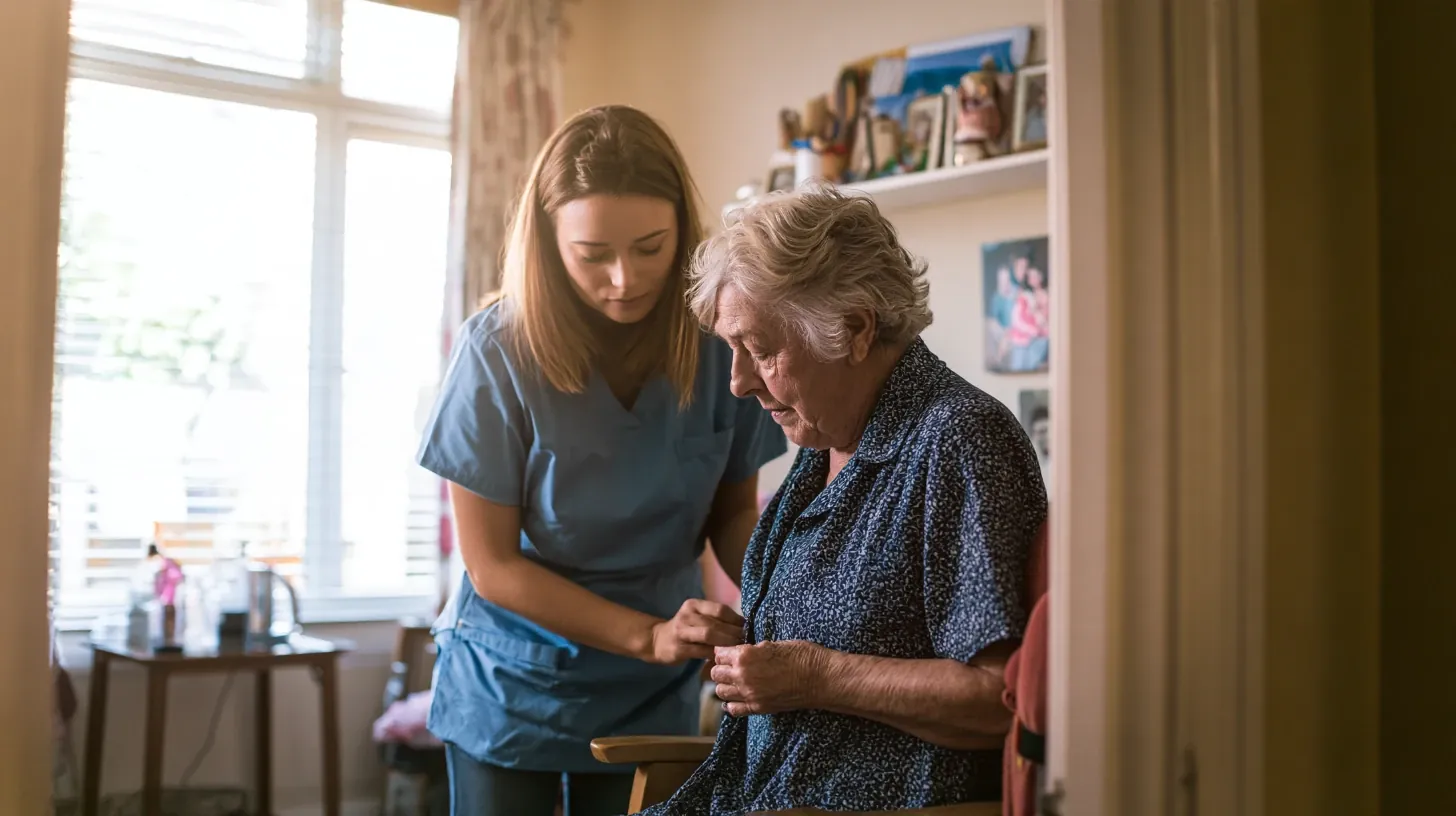
At 6:30 in the morning, when buttons have gotten difficult. At 2 a.m., when she needs to get to the bathroom and doesn't want to wait. The morning she doesn't come down for breakfast. The afternoon she's quieter than usual — not sick exactly, just off — and hasn't asked anyone for anything.
That's where hospitality ends and care begins.
And it's the part a tour mostly can't show you.
It would be easy to turn this into a warning about fancy lobbies.
That's not the point.
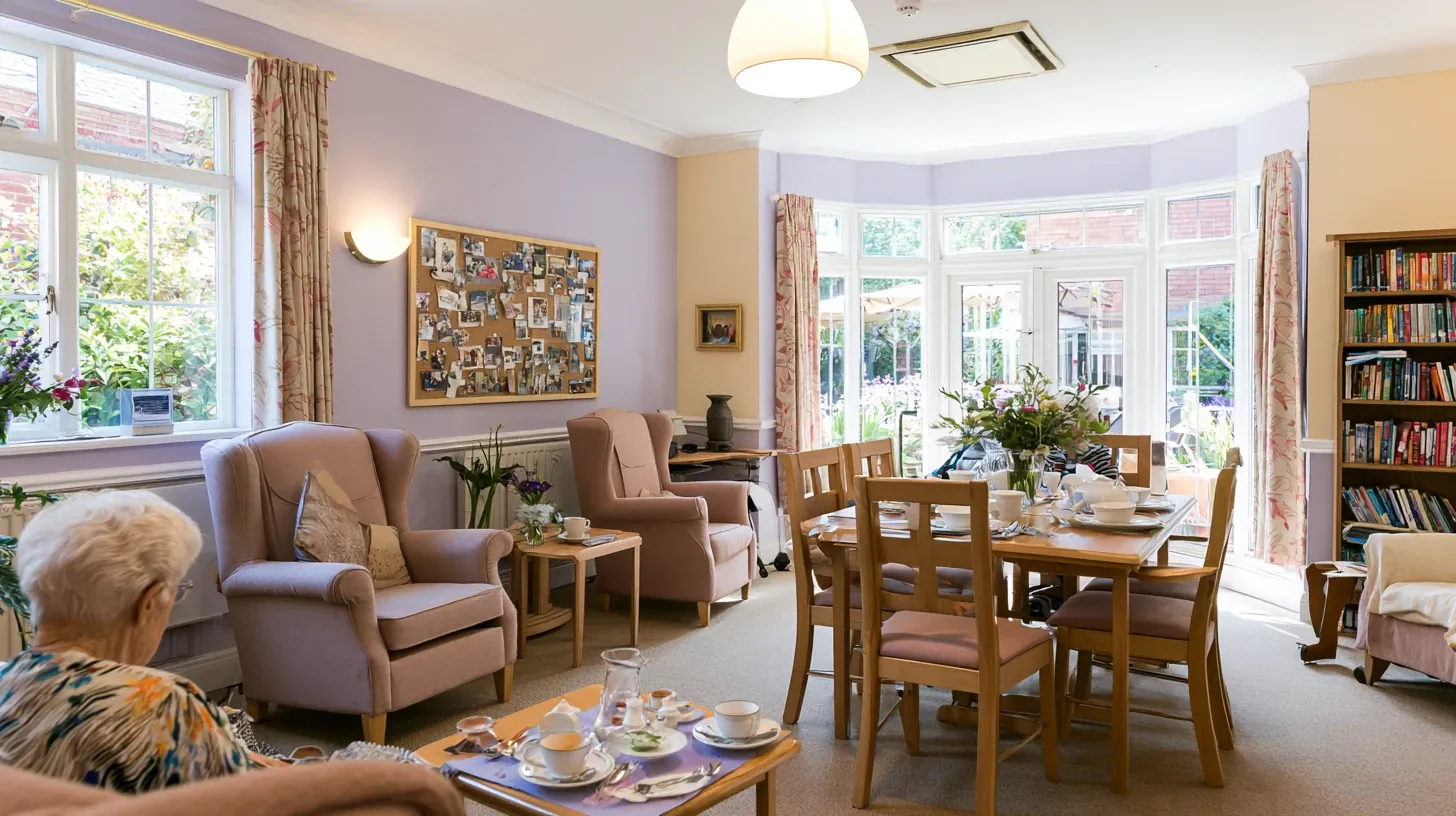
Hospitality matters. Good food, a clean building, comfortable common spaces, things to do, staff who greet you warmly — these shape a person's days in real ways. Plenty of communities that invest in hospitality also provide excellent care.
The two aren't in competition.
The difference is visibility.
Hospitality is relatively easy for a family to observe in an hour. You can taste it, sit in it, walk through it.
Care is harder.
It happens in small moments, often behind a closed apartment door, usually when nobody is giving a tour.
Hospitality is built to be seen. Good care mostly happens when no one's watching.
So the goal isn't to look at the amenities less.
It's to learn to look at something else, too.
"Quality of care" is one of those phrases that sounds meaningful and tells you almost nothing.
In real life, care tends to look like ordinary moments.
An aide who knows Mom likes to choose her own clothes, so she holds up two sweaters instead of laying one out.
Someone who notices Dad didn't make it to breakfast when he's usually the first one there.
A caregiver who knows a particular resident gets anxious when she's rushed, and slows down.
Someone who sees a resident moving a little differently today and mentions it.
A staff member who knows which daughter to call.
A note from the night shift that actually reaches the morning shift.
It also looks like a resident being spoken to rather than about. And a caregiver who helps without taking over the parts someone can still do herself — because doing them herself is part of what keeps her herself.
Researchers who study Assisted Living have spent years trying to measure this, and what they look at is telling: whether care is individualized, whether residents feel they belong, how staff and residents relate to one another, whether interactions feel hurried.
Studies involving residents with dementia have also linked better quality of life with things like staff training, good communication, positive staff attitudes, and including residents and direct-care staff in care planning.
None of that shows up in a brochure photo.
All of it shows up in Mom's day.
A medication list tells you what someone takes.
It doesn't tell you who she is.
It doesn't say she was a school librarian for thirty years and still corrects grammar. That she hates being called "sweetie." That she's sharpest in the morning and short on patience by four. That she'll never say she's in pain, but she'll quietly stop doing the crossword.
It doesn't say who she was before she became the resident in Room 214.
That kind of knowledge is what makes individualized care possible, especially as memory changes. People who work in dementia care describe it as essential, and there's evidence that gathering residents' life stories helps staff know them better.
So instead of asking whether a community offers "person-centered care" — nearly everyone will say yes — try this:
How do you learn who my mom is, and how does that information get to the people caring for her?
Then listen closely to the second half.
It's one thing for one wonderful aide to know Mom.
What happens on that aide's day off?
How does the next person know?
Here's another question worth asking, and worth watching someone answer:
If Mom lived here, what would you want your care team to know about her that isn't in her medical record?
A community that lights up at that question has probably thought about it before.
Families study a building with real care on a tour — the view, the closet space, the bathroom grab bars.
It's worth giving the people the same attention.
As you walk, notice whether staff acknowledge residents as they pass. Whether conversations sound natural or purely transactional. Whether residents are addressed directly. Whether staff seem rushed. Whether the tour guide knows residents' names, and whether residents seem to know the tour guide.
If someone asks for help mid-tour, notice what happens next.
Keep all of this in proportion.
A tour is a snapshot. One warm exchange doesn't prove a community is excellent, and one hurried moment doesn't prove it isn't. Everyone has bad afternoons.
These are clues, not verdicts.
But they're clues you'll only collect if you're looking for them.
The person showing you around may be terrific at the job and care deeply about the residents.
But they're probably not the person who will help Mom get dressed tomorrow morning.
So widen the lens.
Ask who leads resident care, and whether you can meet them.
Ask who provides most of the hands-on care and whether Mom will generally see the same people. Ask who's there overnight and when a nurse is available. Ask what training direct-care staff receive and how the community handles staffing when regular team members aren't available.
Staffing matters, but numbers and titles alone don't tell you what Mom's experience will be.
The better questions reveal the care system underneath the amenities: who actually provides the help, how they're trained, how well they know the residents and how information moves when something changes.
The aides who help Mom shower, dress and get to dinner may shape her daily life at least as much as any clinical title in the brochure.
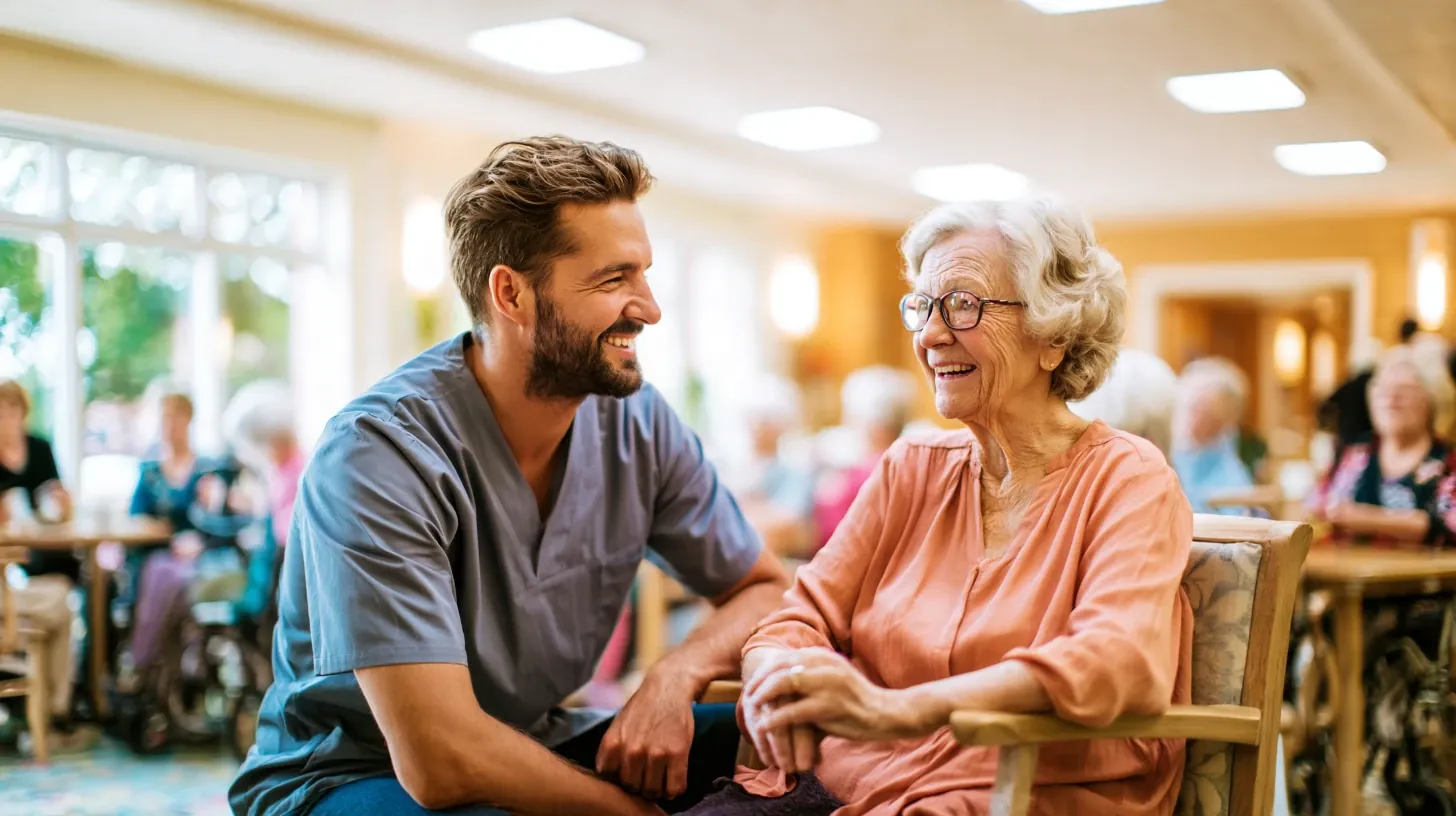
In a single day, Mom might see an aide in the morning, dining staff at lunch, someone from activities in the afternoon and a different caregiver at night.
Each of them sees a slice of her day.
Care depends on whether those slices get connected.
If the morning aide notices Mom seems weaker, where does that go?
If she skips lunch after weeks of eating well, does anyone link it to what someone else noticed earlier?
So ask plainly:
If someone notices a change in Mom, what happens next?
This isn't about expecting a phone call every time she skips dessert.
It's about whether the community has a working way to notice, pass along and respond to changes that matter — and to let the family know when they do.
The good news is that much of what you're already looking at can reveal care, if you look one layer deeper.
A busy lunch shows how staff behave under a little pressure.
The menu shows whether residents have real choices.
Common spaces tell you something if people are actually in them.
Cleanliness and upkeep can tell you something about how carefully a place is run.
So go ahead and notice that the dining room is lovely.
Then ask what happens when someone needs help cutting her food.
Admire the full activity calendar.
Then ask how they help someone take part if she can't get there on her own.
Love the apartment.
Then ask who would notice if Mom suddenly stopped coming out of it.
You don't need to become an inspector.
No one can judge an entire care operation in a single visit, and you're not expected to.
You only need to remember that the easiest things to see aren't the only things worth seeing.
The lobby matters.
The food matters.
The apartment and the courtyard matter.
But Mom won't experience this place as a collection of amenities.
She'll experience it through hundreds of small moments with the people around her.
Someone helping with a stubborn button.
Someone remembering how she takes her coffee.
Someone noticing she's having a hard day.
Someone giving her time to finish her sentence.
The tour shows you a beautiful place to visit.
What Mom will live with is the people — the ones who will still be there, paying attention, long after you've driven home.

Jeff Hix writes about senior living with one goal: helping families, providers, and healthcare professionals make better decisions through transparency, education, and practical guidance.
After helping his father build, launch, and market an Assisted Living and Memory Care community in Southern California, Jeff developed a unique perspective on both the emotional journey families experience and the day-to-day realities senior living providers face.
Today, as Co-Founder and Chief Revenue Officer of Map Of Care, he writes about the ideas, trends, and practical insights shaping the future of senior living.
Tours blurring together? Skip the sales pitch and focus on what matters most: finding a senior living community that fits your parent’s life.
Advertised senior living rates can be misleading. Here is how to break down base rates, care levels, and hidden fees to find the real monthly cost.