How to Talk to a Parent Who Doesn't Want Help
When an aging parent resists help, the key isn't persuasion—it's understanding what they fear losing. Here is how to navigate the conversation.

Loading…
When we think of service animals, we often picture guide dogs helping individuals with visual impairments. Still, the role of service animals has expanded significantly in recent years, and a promising (and still underappreciated) application is supporting people living with dementia. And, as a cat parent and dementia researcher, I’d argue that this is a very exciting development!
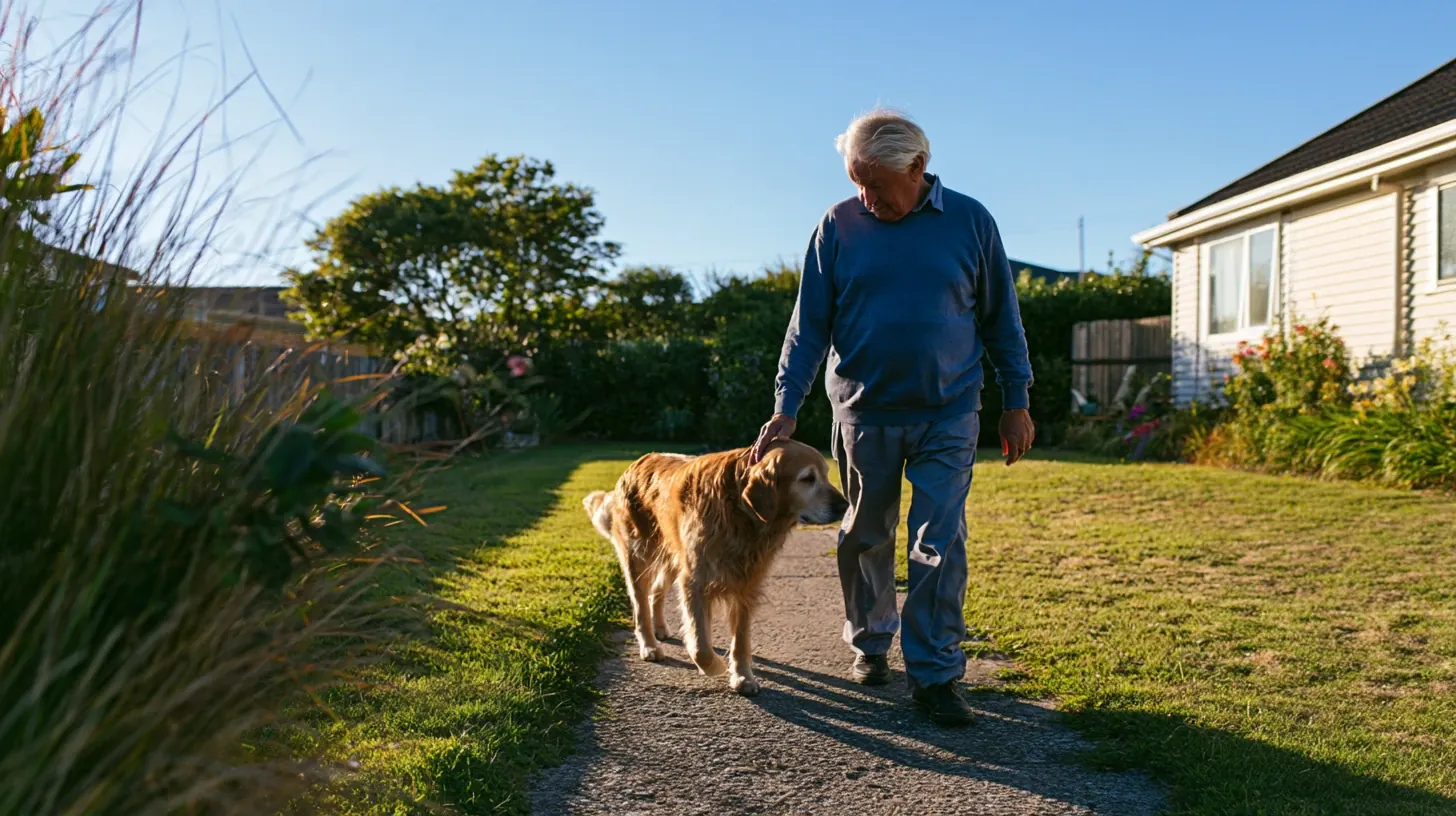
We know that dementia is both complex and challenging as it affects not only the patient but also their family and caregivers. Memory loss, confusion, agitation, and communication difficulties can turn daily life into a struggle. Traditional interventions focus on pharmaceutical symptom management, cognitive training and rehabilitation, and psychoeducation. Service animals on the other hand can offer something different: constant, personalized, non-judgmental support that adapts to the person’s changing needs. Much like the beloved pets I discussed in a previous article, service animals provide companionship and emotional comfort. But unlike family pets, they are specifically trained to perform tasks that address the unique challenges of dementia.
So, what can a service animal do for a person with dementia? These remarkable animals (most commonly dogs, but sometimes cats or even miniature horses) can be trained to recognize and interrupt episodes of anxiety or agitation. They can guide their handler back home if wandering (a common and dangerous symptom of dementia) occurs. Some service animals are even trained to alert a caregiver if their person has fallen or is in distress. Others can be taught to wake their handler at a specific time, remind them to take medication, or even help them find lost items like keys or a phone. These are not abstract benefits but rather tangible, life-changing interventions that preserve dignity and safety. Overall, service animals for dementia can reduce agitation and anxiety, improve social interaction, increase physical activity and provide cognitive stimulation.
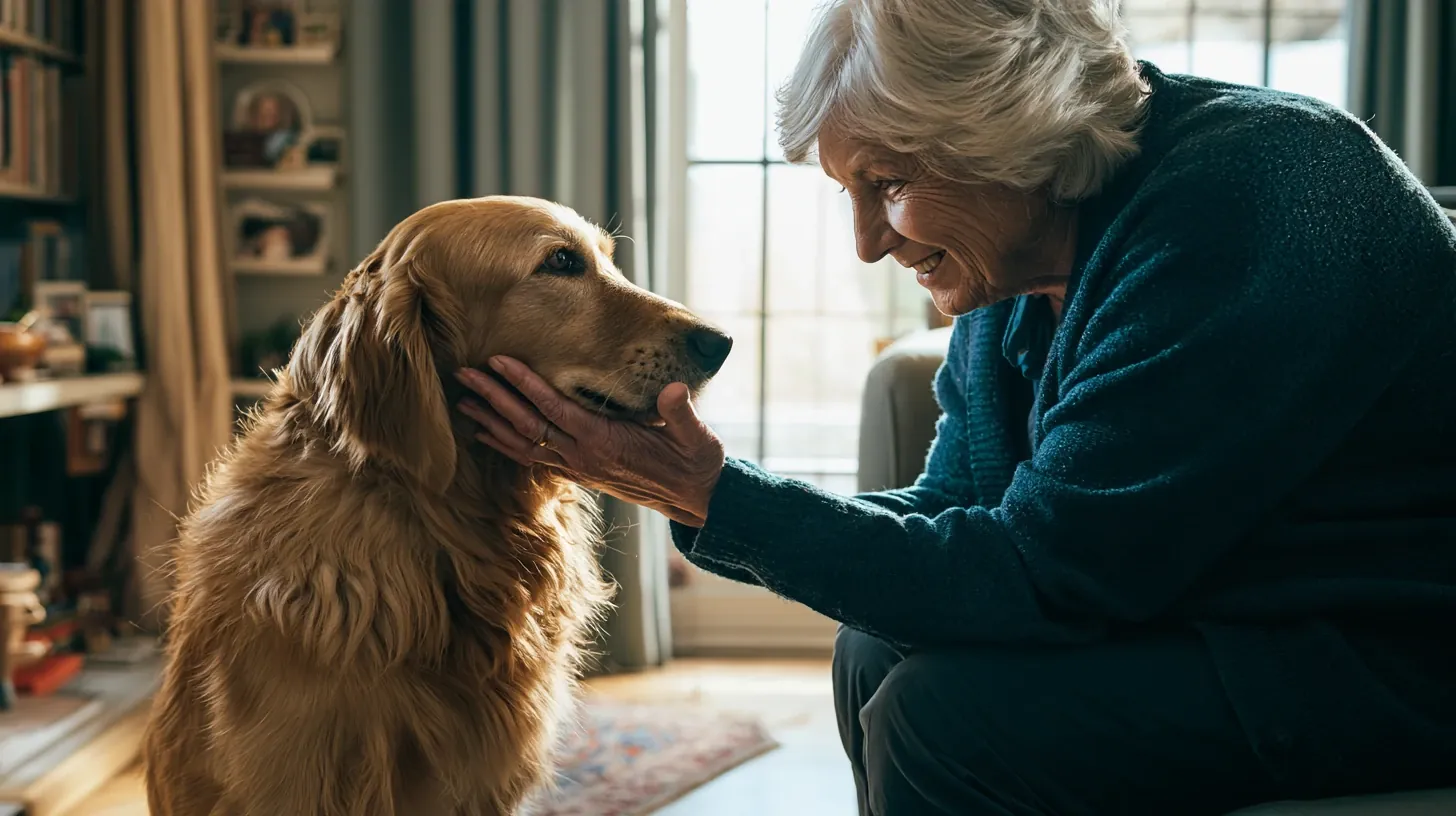
What fascinates me most, however, is the non-verbal communication between a person with dementia and their service animal. As language abilities decline, traditional forms of social interaction become increasingly difficult and frustrating. But a service animal does not require coherent speech. It responds to tone, touch, and body language. And these avenues for communication can remain intact even when words and language begin to fade away. A person with dementia may no longer remember their grandchild’s name, but they can still stroke a dog’s fur, receive a gentle nudge, or feel the warmth of an animal resting beside them. That connection is real, immediate, and profoundly human.
Of course, integrating a service animal into dementia care comes with its own set of challenges. Not every person with dementia is suitable for a service animal, and not every living situation can accommodate one. Some individuals may be afraid of animals, or they may have physical limitations that make caring for an animal difficult. Others may live in Nursing Homes or Assisted Living communities that do not allow pets or service animals. There are also practical considerations: cost, training, maintenance, and the need for a backup caregiver who can care for the animal if the person is hospitalized or no longer able to do so themselves. As with many aspects of aging and dementia care, a one-size-fits-all approach does not work. The patient and their family must discuss and decide what is best for them and plan for issues that may arise in the future.
Still, a robust support network and a little help from technology can often mitigate some of the challenges of living with a therapy animal. Family members and caregivers can assist with the care of the service animal, ensuring that the benefits of the human-animal bond do not come at the cost of added stress or responsibility for the person with dementia. Smart pet accessories such as automatic feeders, GPS trackers and automatic feeders can ensure the service animal enjoys a good quality of life and is supported in its work, all while reducing the care burden on the patient. Furthermore, some service animal organizations offer in-home visits for people who cannot live full-time with a service animal.
By now, I hope I have piqued your interest in therapy animals for dementia. And maybe, in the future, people won’t be walking the difficult path of dementia alone but with a furry companion wagging its tail by their side.
• As a person with early-stage dementia or a family caregiver: Research service animal organizations, especially ones that specialize in dementia. Be honest about your living situation, physical abilities, and support network. A service animal is a commitment, not just a companion.
• As a relative or friend: If your loved one has a service animal, offer practical help with feeding, walking, or veterinary appointments. This allows the person with dementia to enjoy the benefits of the animal without becoming overwhelmed by its care.
• As a Nursing Home or Assisted Living community manager: Consider policies that allow trained service animals for residents with dementia. If live-in animals are not feasible, explore robotic companion animals or regular visits from therapy animals trained for dementia care.

I am a Neuropsychologist specializing in cognitive aging, dementia and new technologies. My work focuses on computerized cognitive testing and the use of serious games for the detection of pre-clinical cognitive decline in older adults. I have worked extensively in adapting, creating and validating novel computerized tests that allow for easier, cheaper and more accessible dementia screening. I am a Senior Atlantic Fellow at the Global Brain Health Institute. I maintain ongoing collaboration with the University of California San Francisco Memory and Aging Center and the Heidelberg University Network Aging Research.
When an aging parent resists help, the key isn't persuasion—it's understanding what they fear losing. Here is how to navigate the conversation.

Discover how the sights, scents, and traditions of autumn can unlock memories and create meaningful connections for older adults living with dementia.