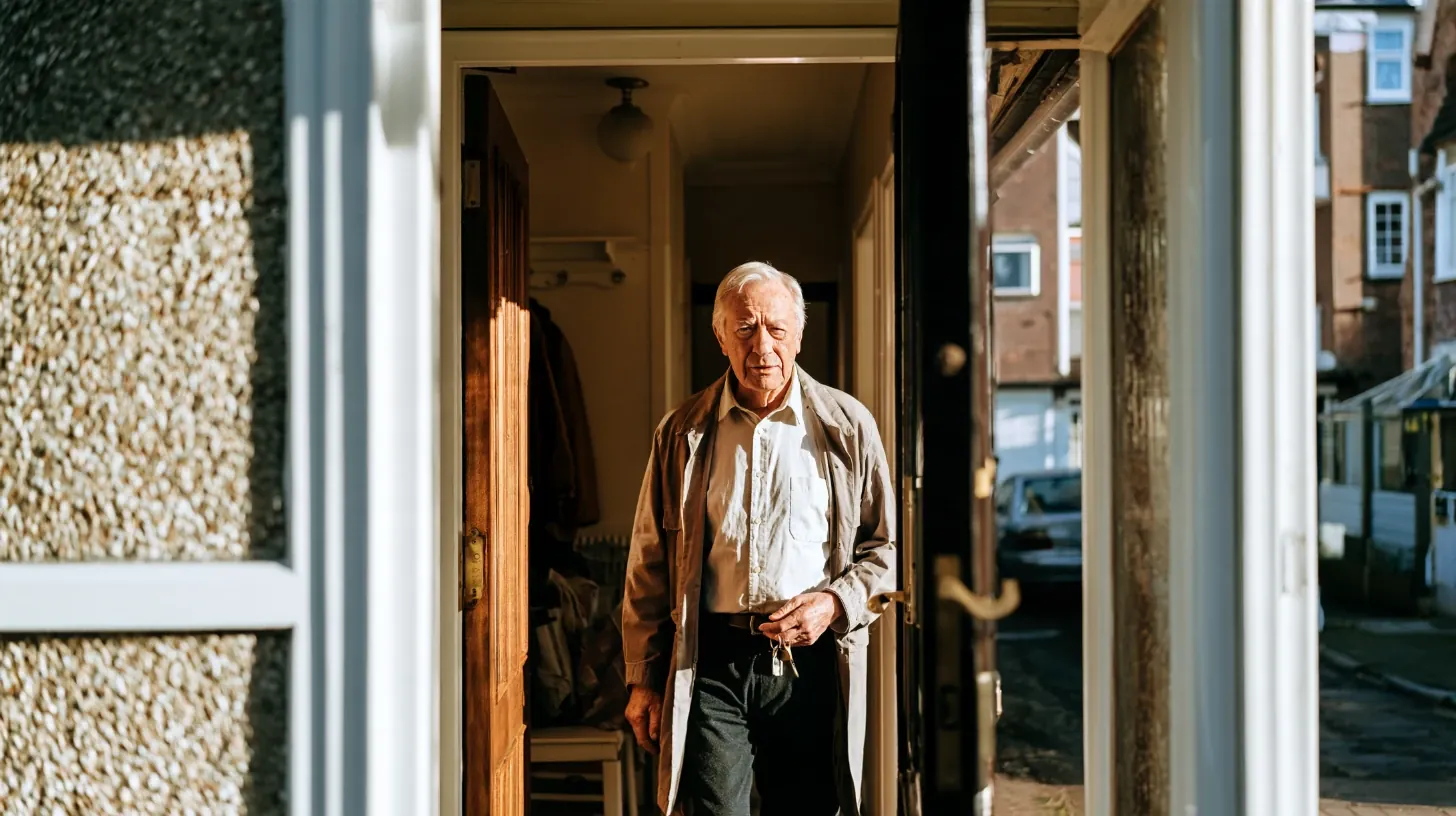
How to Talk to a Parent Who Doesn't Want Help
When an aging parent resists help, the key isn't persuasion—it's understanding what they fear losing. Here is how to navigate the conversation.

Loading…
If you asked me to name my favorite season, I would not hesitate for a second: autumn. There is something genuinely magical about the crisp air, the turning leaves, and the return of cozy sweaters after a long, hot summer. For many of us, autumn is a season of comfort and nostalgia but for older adults living with dementia, it can be so much more than that. It can be a doorway back to cherished memories, a source of sensory delight, and a wonderful opportunity for meaningful connection with family and caregivers.
What fascinates me about autumn is how deeply it engages the senses. Unlike many other times of year, autumn announces itself. You can smell it: woodsmoke, cinnamon, and the earthy scent of fallen leaves. You can hear it: the crunch underfoot, the rustle of wind through the trees, the distant sound of a high school football game. You can taste it: apple cider, pumpkin pie, the first batch of chili. You can see it: that unmistakable golden light and the blaze of red and orange across the trees. And you can feel it: the chill in the morning air that calls for a warm cardigan. For a person with dementia, who may struggle with abstract conversation or recalling recent events, these sensory experiences are accessible in a way that words often are not. A single smell or sound can unlock a memory that has been dormant for years, and watching that happen is truly remarkable.
This is why I believe autumn activities are more than pleasant diversions. They offer comfort and connection, they provide structure, stimulate the senses, and create natural opportunities for conversation that do not necessarily depend on memory. Best of all, they can be adapted to almost any ability level and living situation.
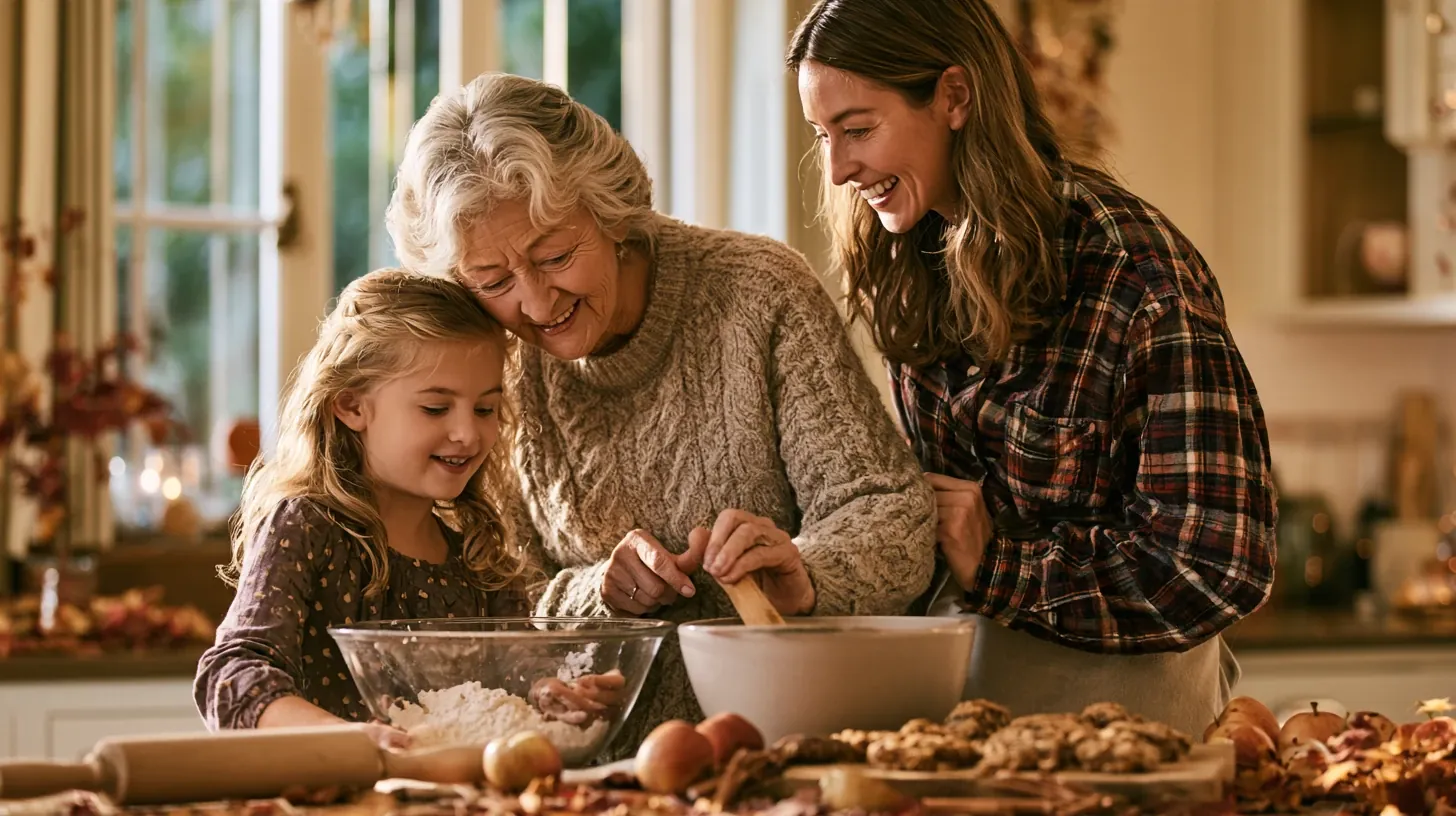
For older adults living at home with family, autumn offers an abundance of simple, low-pressure activities. A drive to see the changing leaves requires nothing more than a comfortable car and a thermos of hot tea, and it can be done from the passenger seat on a difficult day. Baking together, even if your loved one only measures the flour or stirs the batter, engages the senses and creates a sense of contribution. Raking leaves is an activity that can be done at any pace, and for those who can no longer rake, simply sitting on the porch watching the grandkids jump into a pile of leaves can be enormously satisfying. Decorating the house for the season is another wonderful option. A basket of small pumpkins, a simple autumn wreath, or a bowl of apples on the kitchen table gives your loved one something to touch, arrange, and comment on. And of course, there is Thanksgiving, a holiday built around food, family, and tradition, all of which are deeply meaningful for someone whose long-term memories remain vivid even as recent ones fade.
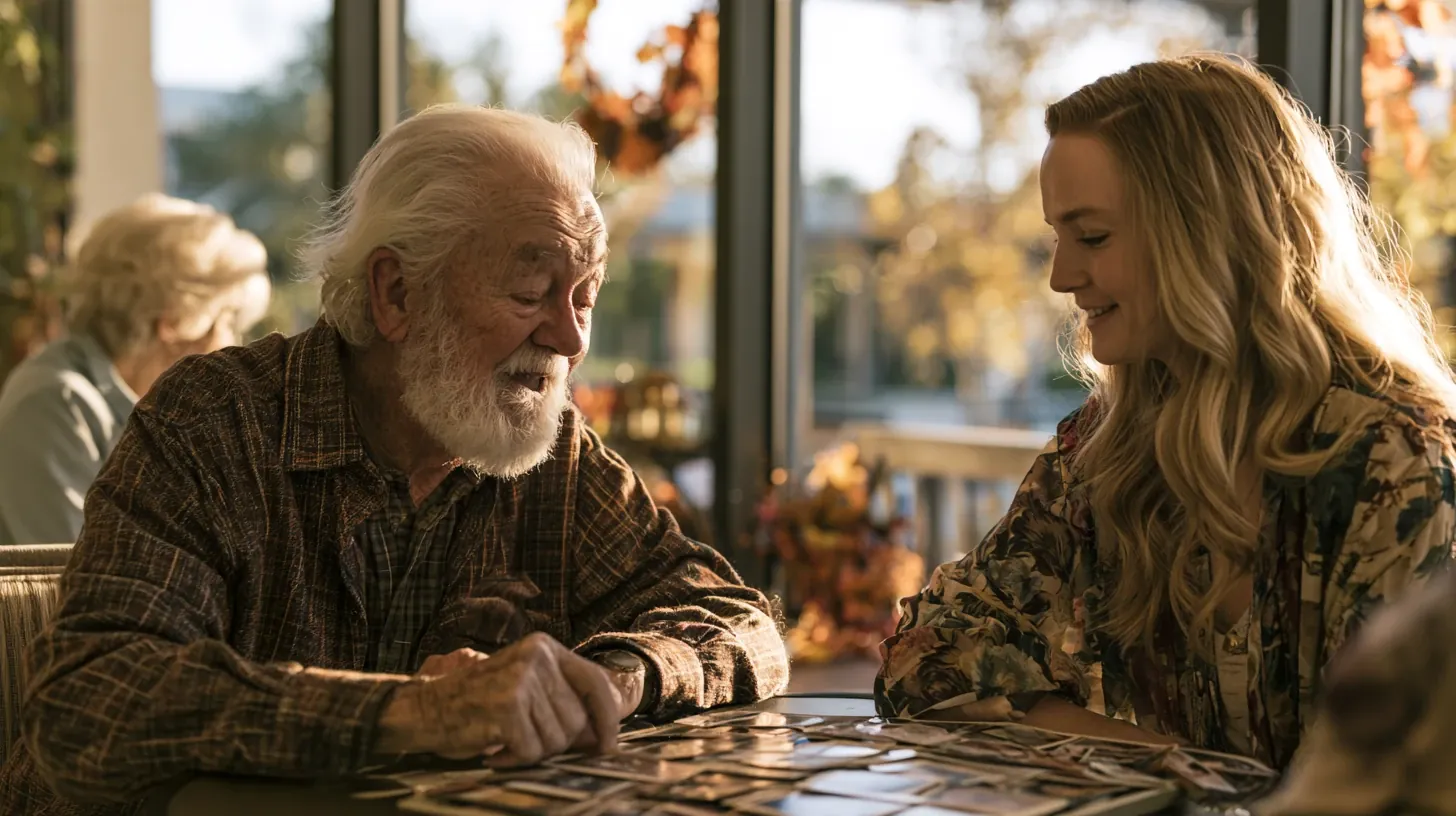
For older adults living in assisted living or nursing home facilities, autumn brings its own opportunities. Many facilities organize seasonal activities, but I would encourage families to bring the season inside themselves. A small arrangement of autumn leaves or a scented candle (if facility policy allows) can transform a room. Bringing in a bag of apples or a pumpkin spice treat during a visit creates a shared experience rather than just a conversation. Some facilities host harvest festivals, Halloween socials, or Thanksgiving dinners where families are invited, and these events are worth prioritizing. Most importantly, autumn is a season of tradition, and traditions are something that residents can often recall and discuss with remarkable clarity, even when other memories have slipped away.
As you might have expected, I will advocate for the role of technology here too. Digital photo frames that display new pictures of grandchildren in Halloween costumes or at the pumpkin patch can keep residents connected to family life. Video calls are perfect for sharing a "look what we carved!" moment in real time. And for families living far apart, a simple text with a photo of the changing leaves in your neighborhood can give your loved one something new to see and talk about when you next speak. Technology is not a substitute for presence, but it can help bridge the gaps between visits.
At this point, it is important to stress that autumn is not without its challenges. The shortening days and reduced sunlight can trigger seasonal affective disorder, and for someone with dementia, the earlier sunsets and increased time indoors can worsen confusion or restlessness. Halloween deserves special mention here. While the holiday can be joyful, costumes, masks, and spooky decorations can be genuinely frightening for a person who no longer fully understands what is real and what is pretend. If your loved one is easily startled, consider keeping decorations gentle and skipping the scary elements altogether. And as the weather cools, it is worth checking that your loved one's home or room is warm enough, well lit, and free of trip hazards like loose rugs or trailing cords.
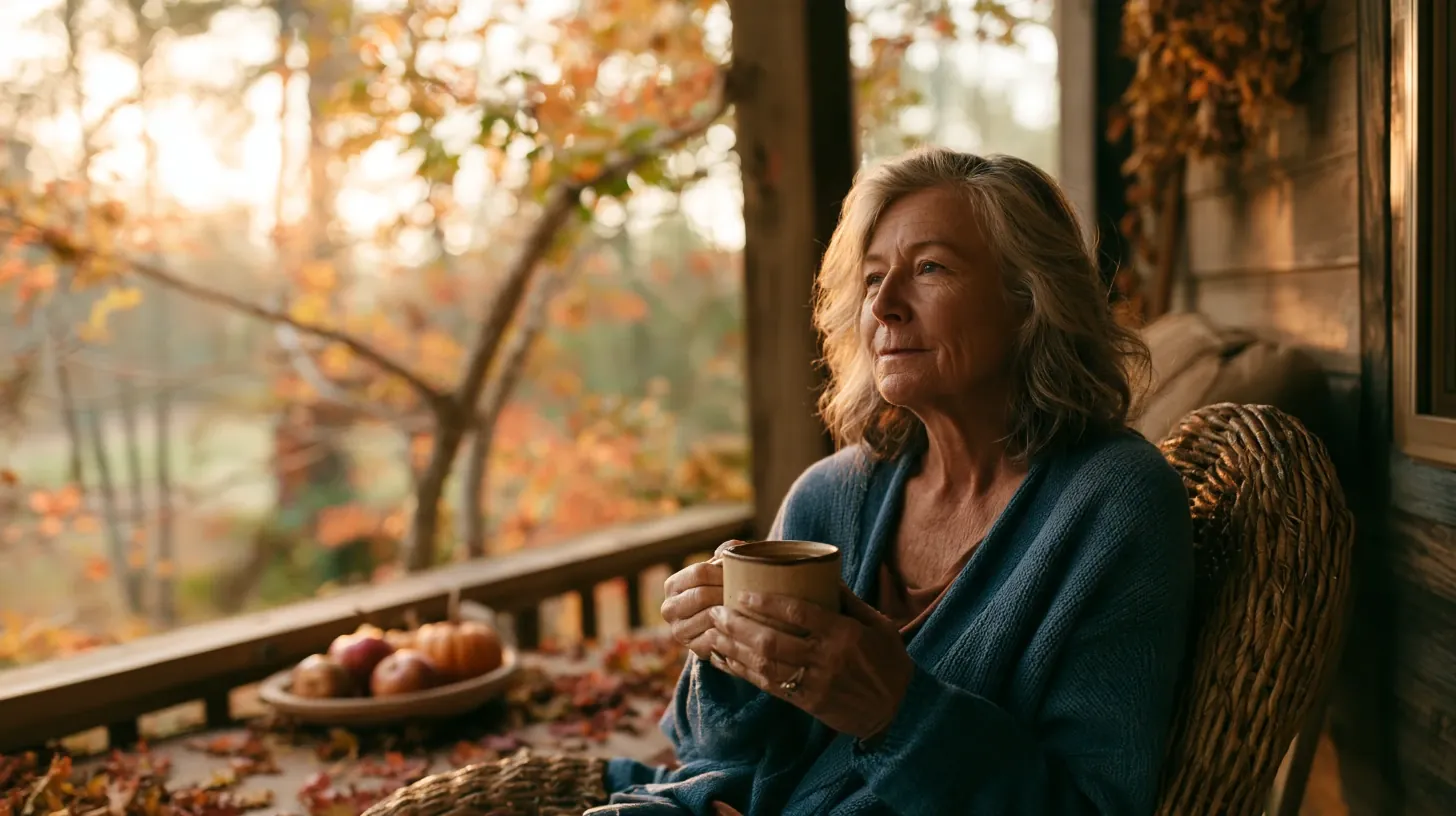
As with all aspects of dementia care, adaptability is key. Not every activity will work for every person, and some days will be better than others. The goal is not to fill the calendar but to find small, meaningful moments that bring comfort and joy. A cup of apple cider shared on the porch, a drive through the neighborhood to see the decorations, or a favorite old song playing while you fold laundry together are the moments that matter. Autumn will pass, as it always does, but the warmth of those shared experiences can linger long after the last leaf has fallen.
• As an older adult living with dementia or memory changes: Lean into the season. Enjoy the smells, sounds, and tastes of autumn at your own pace. If you have a favorite autumn tradition from years past such as a recipe, a song, or a holiday ritual, share it with your family. You may be surprised how much they want to learn from you.
• As a relative: Plan activities around your loved one's abilities rather than their limitations. A drive to see the leaves, a simple baking project, or an afternoon of looking through old autumn photos can be more meaningful than an elaborate outing. Be mindful of overstimulation and keep Halloween gentle. And if you live far away, send photos and make regular video calls so your loved one stays part of the season.
• As an assisted living or nursing home owner/manager: Bring the season indoors. Organize autumn-themed activities such as apple tasting, leaf crafts, or a Thanksgiving memory-sharing circle where residents can talk about their own traditions. Invite families to seasonal events and consider partnering with local schools for intergenerational activities like pumpkin decorating. Keep decorations warm and welcoming rather than frightening, and pay attention to lighting and warmth as the days grow shorter.

I am a Neuropsychologist specializing in cognitive aging, dementia and new technologies. My work focuses on computerized cognitive testing and the use of serious games for the detection of pre-clinical cognitive decline in older adults. I have worked extensively in adapting, creating and validating novel computerized tests that allow for easier, cheaper and more accessible dementia screening. I am a Senior Atlantic Fellow at the Global Brain Health Institute. I maintain ongoing collaboration with the University of California San Francisco Memory and Aging Center and the Heidelberg University Network Aging Research.
When an aging parent resists help, the key isn't persuasion—it's understanding what they fear losing. Here is how to navigate the conversation.
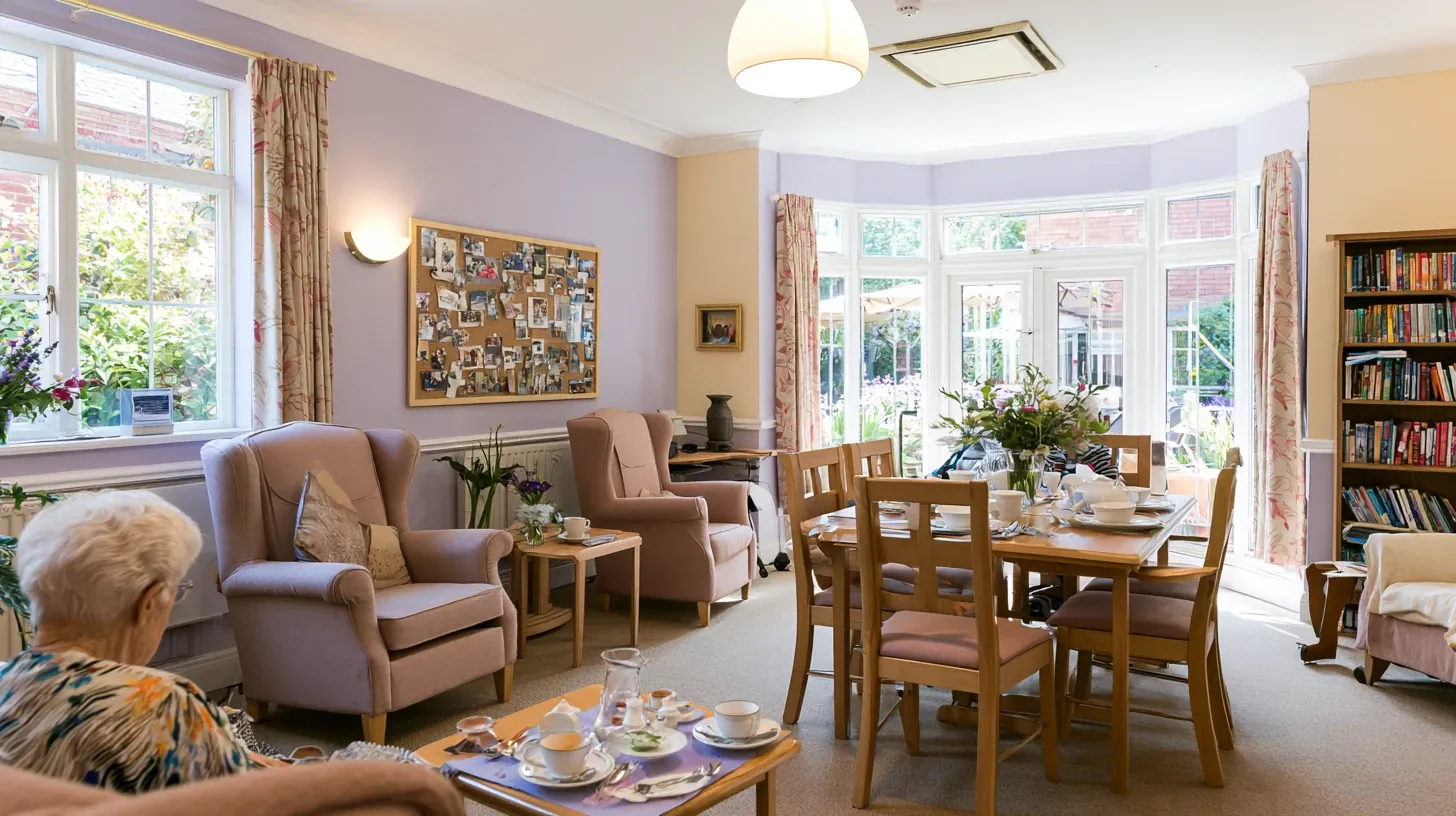
A beautiful lobby doesn't guarantee great care. Here is how to look past the amenities and evaluate what matters most during a senior living tour.